A Traveler's Food Guide to Angola
Explore Angola's rich culinary landscape, from its national dish, Muamba de Galinha, to vibrant street food, with our practical guide to dining, etiquette, and local flavors.
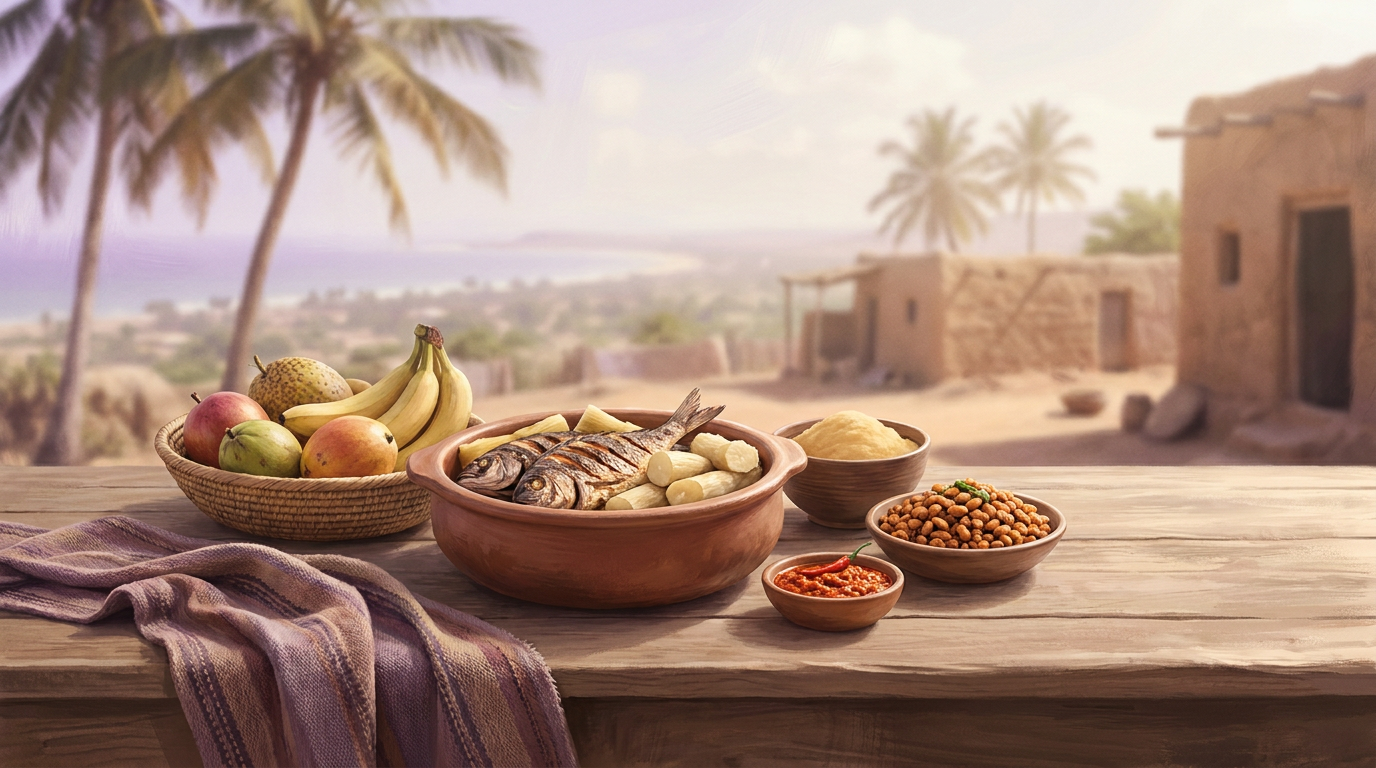
Angolan cuisine offers a fascinating and flavorful journey for any traveler. Shaped by centuries of history, its dishes reflect a rich blend of indigenous Bantu traditions and strong Portuguese and Brazilian influences. At its heart, Angolan food is about robust, savory stews, fresh seafood from its long Atlantic coastline, and starchy staples that form the foundation of most meals. Expect bold flavors derived from local ingredients like palm oil, chili, and garlic, creating a culinary experience that is both comforting and distinct. Understanding the key dishes and dining customs will not only enhance your meals but also deepen your connection to Angola's vibrant culture.
Signature Angolan Dishes
No exploration of Angolan food is complete without trying *Muamba de Galinha*. Considered the national dish, this hearty chicken stew is a perfect introduction to the country's flavors. The chicken is slow-cooked in a rich sauce made from red palm oil (óleo de dendê), garlic, onions, and often okra for thickening. It’s typically seasoned with a hint of chili for a gentle kick. This savory, slightly nutty stew is almost always served with *funge* or *pirão*, starchy porridges that are perfect for soaking up every last drop of the delicious sauce.
Given Angola's extensive coastline, fish stews are prominent and delicious. Two must-try dishes are *Calulu de Peixe* and *Moqueca*. *Calulu* is a traditional stew made with dried or fresh fish, an assortment of vegetables like okra, sweet potato leaves, and eggplant, all cooked in palm oil. It has a deep, complex flavor. *Moqueca*, showing a clear Brazilian influence, is a lighter but equally flavorful stew. It features fresh fish or prawns cooked in a fragrant broth of coconut milk, palm oil, tomatoes, and onions, resulting in a creamy and tangy dish. Both are typically served with rice or funge.
The cornerstones of the Angolan table are *funge* and *pirão*. These are thick, smooth porridges made by stirring flour into boiling water until it forms a dense, dough-like consistency. *Funge* is typically made from cassava flour, giving it a white color and neutral taste, while *pirão* is made from cornmeal, resulting in a yellow color and slightly different texture. They are not meant to be eaten alone; instead, a small piece is pulled off with the fingers of the right hand, indented with the thumb, and used to scoop up stews and sauces. They are the essential accompaniment that makes any Angolan meal complete.
Exploring Angola's Street Food
Angola's street food scene is vibrant, social, and an excellent way to taste local life. In cities like Luanda, you'll find vendors grilling meat skewers, known as *churrasco*, over open charcoal fires. These are often seasoned simply with salt and garlic and served hot off the grill. Other common snacks include *ginguba torrada* (roasted peanuts sold in paper cones), fried plantains, and *bombó*, a type of fried dough similar to a donut. Street food is more than just a quick bite; it's a communal experience, often enjoyed at small plastic tables on the sidewalk where locals gather to eat and socialize.
Vegetarian and Vegan Dining
While Angolan cuisine is heavily meat- and fish-centric, vegetarian travelers can still find satisfying options, though it requires some effort. Many staple side dishes are naturally plant-based. The main challenge is that even vegetable dishes may be cooked with meat stock or contain small amounts of fish for flavor. When ordering, be very specific. Use phrases like "sem carne" (without meat) and "sem peixe" (without fish). It's also wise to clarify "sem caldo de carne" (without meat broth). Focusing on staple ingredients and simple preparations is often the most successful strategy.
Popular Drinks in Angola
To accompany your meals, Angola offers a range of beverages. Bottled water is widely available and recommended for travelers. For something more flavorful, look for fresh fruit juices (*sumos*) made from tropical fruits like passion fruit (*maracujá*), mango, and pineapple. Several local soft drink brands are also popular. For coffee lovers, remember that Angola is a historic coffee producer, and a strong, freshly brewed coffee is a great way to start your day or finish a meal.
Angola has a thriving local beer market, with brands like Cuca, N'gola, and EKA being the most common and enjoyed nationwide. For a more traditional experience, you might encounter *maruvo*, a palm wine made from the sap of palm trees, or *kissangua*, a non-alcoholic or lightly fermented homemade drink made from cornflour, which is both refreshing and filling. These traditional drinks offer a unique taste of local culture but should be consumed with caution from trusted sources.
Navigating a new culinary scene is easier with reliable internet. Whether you're mapping the route to a recommended restaurant, using a translation app for menu items, or looking up the ingredients in a dish, staying connected is a practical necessity. Using a SimMaxi eSIM for Angola allows you to get online as soon as you land, avoiding the hassle of finding a local SIM card and the high cost of data roaming. This lets you focus on your food adventure.
Dining Etiquette and Practical Tips
Dining in Angola is often a relaxed and communal affair. When invited to a home, it's customary to bring a small gift. A handwashing basin is usually provided before the meal, especially if you'll be eating with your hands, which is common when eating *funge*. Always use your right hand for eating and for passing food to others. It's polite to try a little of everything offered to you. In restaurants, service can be slower than what you might be used to, so patience is key—it's all part of the laid-back dining culture.
General food safety is important for any traveler. The most crucial rule is to drink only bottled, boiled, or purified water, and to avoid ice in drinks unless you are certain it was made from safe water. Eat food that has been freshly and thoroughly cooked. Be cautious with raw salads or unpeeled fruits, as they may have been washed in tap water. Peel fruits yourself or choose those with thick skins. Eating at busy restaurants and street stalls is often a good sign, as it indicates high food turnover and freshness.
Exploring Angolan cuisine responsibly means supporting the local economy and respecting cultural norms. Choose small, family-run restaurants and market stalls where your money directly benefits the community. Be curious and open to trying regional specialties, which may vary from one part of the country to another. When you find a dish you love, ask about its history. And while it's tempting to photograph everything, always ask for permission before taking close-up pictures of vendors or their stalls, as a sign of respect.
Stay connected when you land
With a SimMaxi eSIM, you can get online without hunting for a physical SIM card.