Visiting American Samoa: A Guide to the Unincorporated Territory
Discover the essential travel information for exploring this remote U.S. territory in the South Pacific, from its stunning national park to its unique cultural traditions.
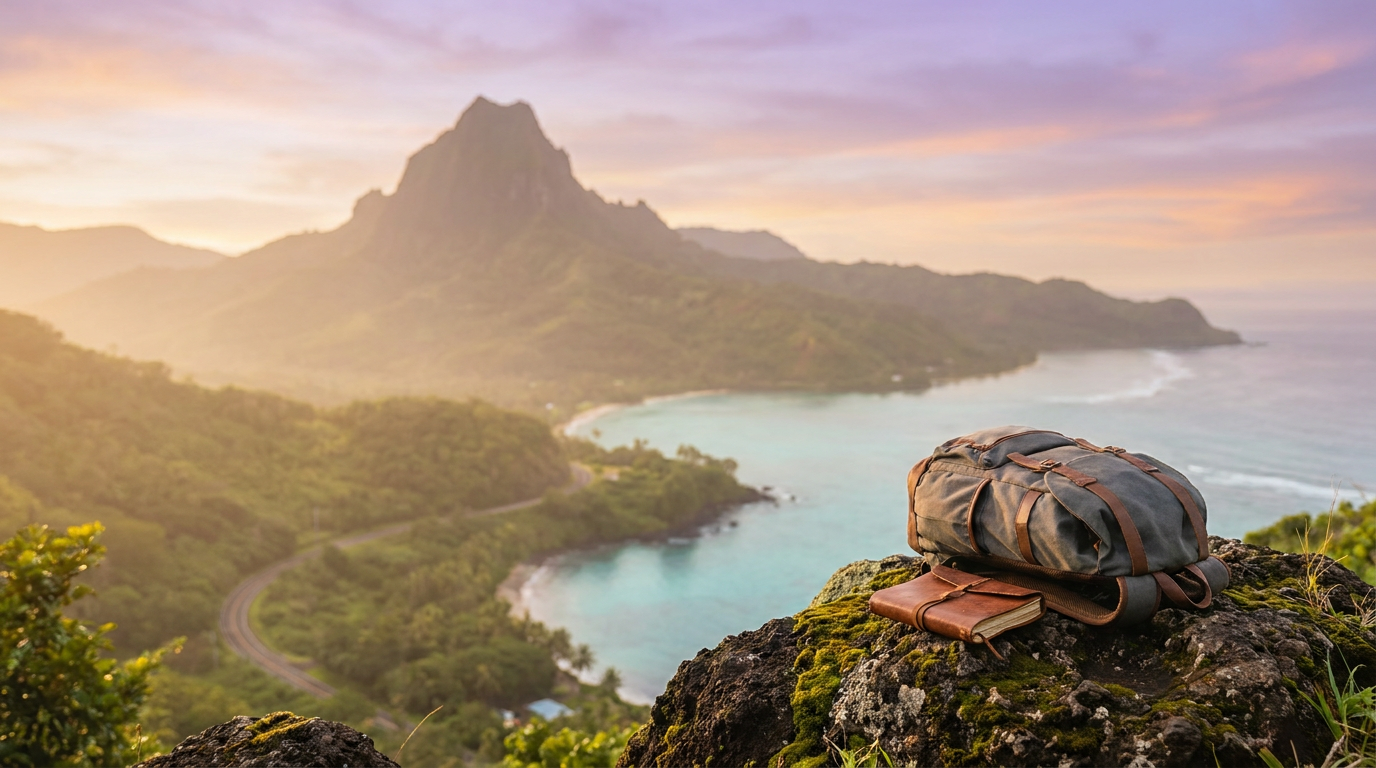
American Samoa offers a distinct Polynesian experience, different from its independent neighbor, Samoa. As an unincorporated territory of the United States, it blends American infrastructure with deep-rooted Samoan culture, known as Fa'a Samoa. This collection of islands in the South Pacific is primarily known for its dramatic volcanic landscapes, lush rainforests, and protected coral reefs. It is not a destination of large resorts and bustling nightlife, but rather a place for travelers seeking natural beauty, cultural immersion, and a slower pace of life.
Getting Your Bearings
The territory consists of five main volcanic islands and two coral atolls. Most visitors will spend their time on Tutuila, the largest and most populous island. It is home to the capital, Pago Pago, which sits in a stunning natural harbor formed by a volcanic caldera. The National Park of American Samoa, the only U.S. national park south of the equator, is spread across Tutuila and the more remote Manuʻa Islands of Ofu and Ta‘ū. These outlying islands offer a glimpse into a more traditional and undeveloped Polynesia but require extra planning and travel time to reach.
Pago Pago (pronounced 'Pango Pango') is the administrative and commercial center. Here you'll find the main port, government buildings, and the majority of the territory's shops and services. While the town itself is more functional than picturesque, its setting is breathtaking, with steep, verdant mountainsides plunging into the deep blue water of the harbor. The surrounding villages offer a more authentic look at local life.
Best Time to Visit
American Samoa has a tropical climate with two main seasons. The dry season, from May to October, is generally the most comfortable time to visit, with lower humidity and less rainfall. This period is ideal for hiking, snorkeling, and exploring the islands. The wet season runs from November to April, characterized by higher temperatures, humidity, and the possibility of tropical cyclones. While travel is possible during these months, outdoor activities can be frequently interrupted by heavy downpours.
Transportation and Getting Around
International flights arrive at Pago Pago International Airport (PPG) on Tutuila. Getting around the main island is an experience in itself. The most common form of public transport is the 'aiga' bus system. These are brightly decorated, privately owned buses that function like communal taxis. They don't follow a strict schedule or have designated stops; you simply wave one down and tell the driver where you want to go. Payment is made in cash when you exit. Renting a car is also a practical option for more independent exploration, allowing you to access remote trailheads and beaches on your own schedule.
Travel between the islands requires more effort. Regular flights connect Tutuila with the Manuʻa Islands of Ta‘ū and Ofu. Sea travel is less predictable, with ferry services subject to weather conditions and mechanical issues. If visiting the outer islands is a priority, it is wise to build significant flexibility into your itinerary.
Culture and Etiquette: Understanding Fa'a Samoa
Fa'a Samoa, or 'The Samoan Way,' is the cultural foundation of life in the territory. It emphasizes respect for elders, family (aiga), and community. When visiting villages, it's important to be mindful of local customs. Dress modestly, especially when away from designated swimming areas. Avoid walking through villages during the evening prayer curfew (sa), which is usually signaled by a bell or gong and lasts for about 15-20 minutes. If you are invited into a home, it is customary to remove your shoes before entering and sit on the floor mats provided.
Sundays are a day of rest, church, and family. Most businesses, including many shops and restaurants, will be closed. Activity is minimal, and it is considered respectful to avoid swimming, noisy activities, or hanging laundry in public view. Visitors are often welcome to attend church services, which can be a powerful experience filled with beautiful singing, but be sure to dress conservatively (long skirts or dresses for women, long trousers for men).
Practical Information for Travelers
The official currency is the U.S. Dollar (USD). ATMs are available in the Pago Pago area, but can be scarce in outlying villages and on the outer islands. It's advisable to carry a sufficient amount of cash. Both Samoan and English are official languages. English is widely spoken in business and government, but learning a few basic Samoan phrases will be greatly appreciated.
Staying connected can be a challenge in more remote areas. While your home carrier may offer roaming, it can be expensive. For reliable data access upon arrival to check maps or contact your accommodation, consider using an eSIM for American Samoa. This allows you to activate a local data plan on your phone without needing a physical SIM card.
Stay connected when you land
With a SimMaxi eSIM, you can get online without hunting for a physical SIM card.