A Traveler's Guide to Austria: Cities, Alps, and Culture
From Vienna's imperial grandeur to the stunning alpine landscapes of Tyrol, discover the essential guide for your first trip to Austria.
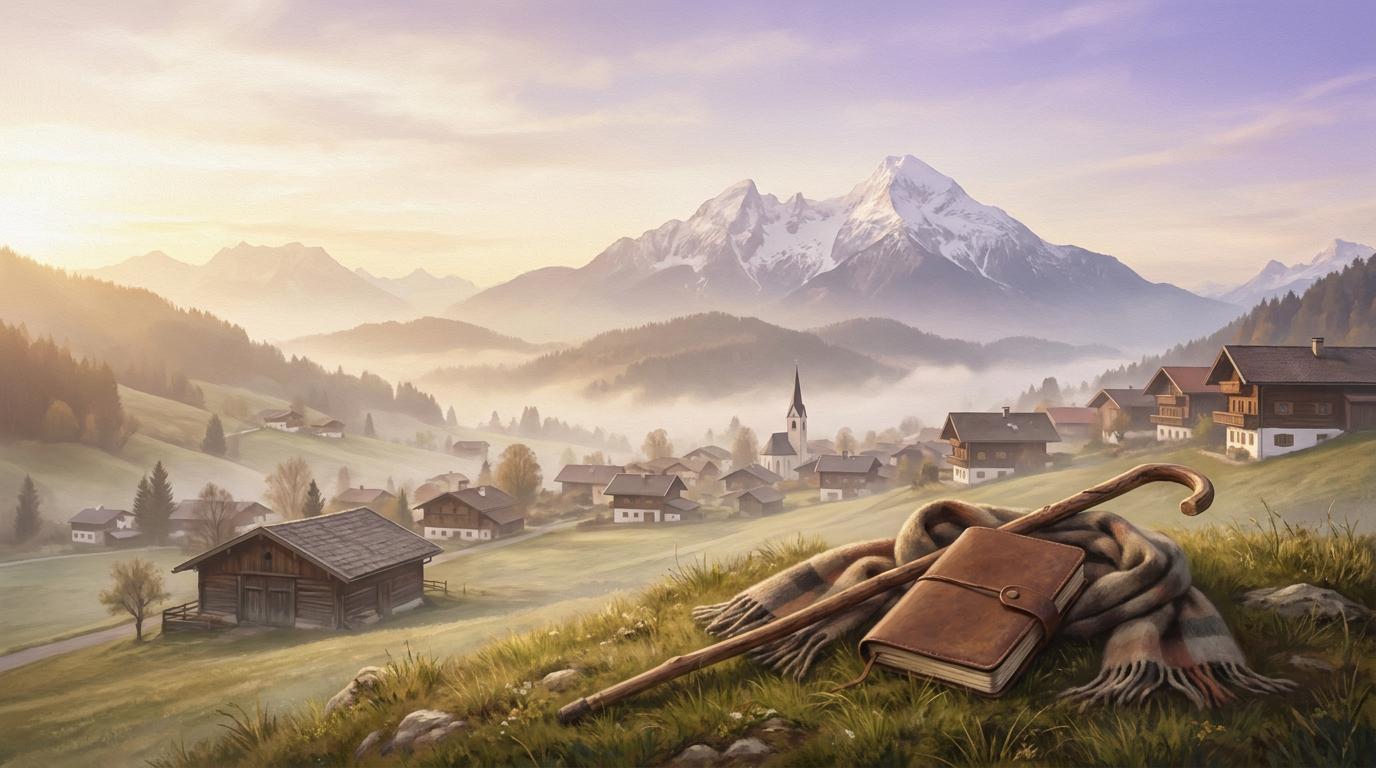
Austria is a country where imperial history meets breathtaking natural beauty. Nestled in the heart of Europe, it offers travelers a remarkable blend of sophisticated urban culture and dramatic alpine scenery. Whether you're drawn to the classical music echoing through Vienna's streets, the storybook charm of Salzburg, or the crisp mountain air of the Alps, Austria provides a rich and varied travel experience. This guide will walk you through the essentials for planning a memorable first visit.
What is Austria Known For?
Austria's cultural legacy is immense, particularly in classical music. It's the land of Mozart, Strauss, and Schubert, and its concert halls, especially in Vienna, are legendary. Beyond music, the country is defined by its imperial past. The powerful Habsburg dynasty left behind a stunning collection of palaces, fortresses, and grand public buildings that shape the skylines of its major cities. Vienna's Hofburg and Schönbrunn Palaces are prime examples of this opulent architectural heritage.
Equally famous is Austria's alpine landscape. The Alps cover a significant portion of the country, making it a world-class destination for skiing, snowboarding, and other winter sports. In the summer, these same mountains transform into a paradise for hikers, climbers, and anyone seeking spectacular views. The combination of pristine lakes, green valleys, and jagged peaks is a core part of the Austrian identity and a major draw for visitors.
Key Destinations for First-Time Visitors
Vienna (Wien), the capital, is an essential starting point. It's a city of grand boulevards, magnificent museums, and a deeply ingrained coffee house culture. You can spend days exploring the Museumsquartier, attending a performance at the State Opera, or simply enjoying a slice of Sachertorte in a historic café. The city's efficient public transport makes it easy to navigate its many districts.
Salzburg, the birthplace of Mozart, feels like stepping into a fairy tale. Its well-preserved baroque Old Town is a UNESCO World Heritage site, overlooked by the formidable Hohensalzburg Fortress. Fans of 'The Sound of Music' will recognize many locations, but the city's charm extends far beyond the film, with beautiful gardens, quiet courtyards, and a vibrant arts scene.
For mountain lovers, Innsbruck and the surrounding Tyrol region are unmissable. Known as the 'Capital of the Alps,' Innsbruck is unique for its location, where stunning mountain peaks are visible from the city streets. It's a hub for both winter and summer outdoor activities, from skiing at nearby resorts to hiking in the Nordkette mountain range, accessible via a cable car from the city center.
Best Time to Visit Austria
Austria is a year-round destination, with distinct appeals each season. Summer (June to August) offers warm weather, perfect for exploring cities on foot, hiking in the Alps, and swimming in crystal-clear lakes. This is also peak tourist season, so expect larger crowds and higher prices for accommodation and flights.
Winter (December to February) transforms the country into a snowy wonderland. It's the prime season for skiing and snowboarding, and the Christmas markets in cities like Vienna, Salzburg, and Innsbruck are magical. The shoulder seasons—spring (April to May) and autumn (September to October)—are excellent alternatives. You'll find pleasant weather, fewer tourists, and more affordable prices, making it an ideal time for city breaks and enjoying the changing colors of the landscape.
Getting Around Austria
Austria's public transportation system is famously efficient, clean, and punctual. The national railway company, ÖBB, operates an extensive network of trains that connect all major cities and many smaller towns. Train travel is often the most convenient and scenic way to move between regions. Booking tickets in advance online can often result in significant savings.
Within cities, public transport consisting of trams, buses, and subways (in Vienna) is excellent. For exploring the countryside, especially remote alpine valleys, renting a car provides the most flexibility. Roads are well-maintained, but be aware of the vignette (toll sticker) requirement for driving on motorways. Staying connected for navigation and booking tickets on the go is simple with a travel eSIM for Austria, which you can set up before you even leave home.
Practical Information for Your Trip
The official currency is the Euro (EUR). While credit and debit cards are widely accepted in hotels, restaurants, and larger stores, it's always wise to carry some cash for smaller cafes, market stalls, and in rural areas. The official language is German. English is widely spoken and understood in tourist areas, hotels, and restaurants, but learning a few basic German phrases like 'Bitte' (please) and 'Danke' (thank you) is always appreciated.
Austrian culture places a value on politeness and a degree of formality. When entering a small shop or café, it's customary to greet the staff with a friendly 'Grüß Gott' (a common greeting in southern Germany and Austria) and to say 'Auf Wiedersehen' when you leave. Tipping is standard practice; in restaurants, it's common to round up the bill or add 5-10% for good service, often telling the server the total amount you wish to pay rather than leaving cash on the table.
Stay connected when you land
With a SimMaxi eSIM, you can get online without hunting for a physical SIM card.