Aruba Food Guide: What to Eat and Drink on the Island
Explore the rich culinary landscape of Aruba, from fresh seafood and traditional stews to street food snacks and local drinks, with our practical dining guide.
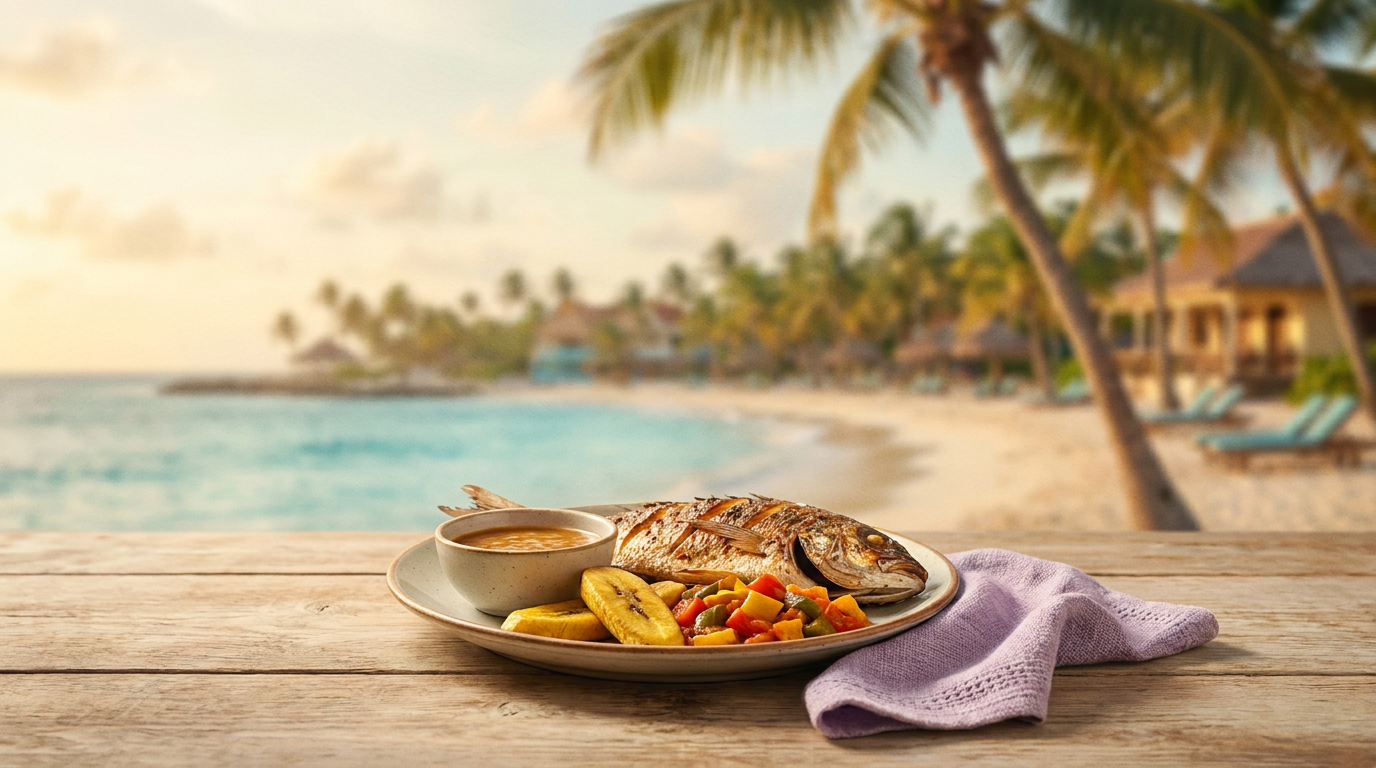
Aruba's culinary scene is a vibrant reflection of its multicultural history, blending Dutch, Caribbean, South American, and even African influences into a unique and flavorful cuisine. While the island is famous for its beaches, its food offers another compelling reason to visit. From upscale dining rooms to casual beach shacks and bustling food trucks, there are opportunities to taste the island's distinct flavors at every turn. This guide provides a practical overview of what to eat and drink in Aruba, along with tips to help you dine confidently and responsibly.
Signature Aruban Dishes
One of Aruba's most iconic dishes is Keshi Yena. Its name translates to "stuffed cheese" in Papiamento, the local language. This hearty dish consists of a hollowed-out ball of Edam or Gouda cheese, stuffed with a savory mixture of spiced meat (often chicken or beef), olives, raisins, and cashews, then baked or steamed until the cheese is melted and the filling is hot. It's a perfect example of Dutch-Caribbean fusion, born from the creative use of leftover cheese rinds. You'll find it on the menu at many restaurants specializing in authentic Aruban cuisine.
Given its island location, it's no surprise that fresh seafood is a cornerstone of Aruban dining. Local fishermen bring in daily catches of red snapper, mahi-mahi (dradu), grouper, and wahoo. A common and delicious preparation is simply grilled or pan-fried with a squeeze of lime and served with a side of creole sauce made from tomatoes, peppers, and onions. Look for waterfront restaurants or local spots advertising "catch of the day" for the freshest experience. Some establishments also serve fresh shrimp and lobster, often prepared with garlic butter or in rich stews.
Stobas, or stews, are a beloved comfort food in Aruba. These slow-cooked dishes are rich, flavorful, and incredibly satisfying. Popular versions include cabrito stoba (goat stew), carni stoba (beef stew), and gallina stoba (chicken stew). The meat is simmered for hours with potatoes, carrots, and a blend of local herbs and spices until it becomes exceptionally tender. Stobas are often served with rice, pan bati, or funchi, making for a substantial and authentic Aruban meal.
Pan bati, which means "smashed bread," is a staple side dish you'll encounter frequently. It's a slightly sweet, thin pancake made from cornmeal and flour, cooked on a griddle. It's the perfect accompaniment to soak up the delicious sauces from stews or to balance the flavors of a seafood dish. While it looks like a simple pancake, its subtle sweetness and soft texture make it a unique and essential part of the Aruban plate.
Street Food and Casual Bites
For a quick and delicious taste of local life, seek out pastechi. These are savory fried pastries, similar to empanadas, filled with a variety of ingredients. Common fillings include cheese (keshi), seasoned ground beef (carni), chicken, or fish. They are a popular breakfast item or anytime snack, available at small roadside stands, bakeries, and snack shops across the island. Grabbing a few different pastechi is a great way to sample multiple flavors affordably.
Two other essential side dishes that often appear in casual meals are funchi and fried plantain. Funchi is a cornmeal porridge similar to polenta, which can be served soft or cooled, sliced, and fried until crispy. Fried funchi with cheese is a popular snack on its own. Sweet fried plantain (platanos maduros) adds a touch of sweetness that contrasts beautifully with savory main courses. These sides are fundamental to a traditional Aruban meal.
Aruba's food truck scene, often called "truki pan," comes alive in the evenings and is a fantastic way to enjoy hearty, local food at a good price. These trucks typically serve grilled meats, burgers, and sandwiches on fresh bread rolls, often loaded with fries and sauces. They are popular late-night spots for both locals and visitors. Finding the best-rated trucks or checking their opening hours can be tricky, so having a reliable data connection with a SimMaxi eSIM is helpful for checking social media pages or maps on the go.
Vegetarian and Vegan Options
While Aruban cuisine is traditionally meat and seafood-heavy, vegetarians and vegans can still find good options. Many restaurants, especially in the main tourist areas, offer dedicated vegetarian dishes. You can often request vegetarian versions of stews, made with a base of hearty vegetables and beans. Standard sides like rice, funchi, pan bati, and fried plantains are typically vegetarian. Always communicate your dietary needs clearly, as staff are generally accommodating and can help guide you through the menu or ask the chef to prepare something special.
Local Drinks and Beverages
To quench your thirst, Aruba offers its own local beers. Balashi is the island's original brew, a crisp and refreshing pilsner perfect for a hot day. Another popular choice is Chill, a lighter-bodied lager often served with a slice of lime. Both are widely available and offer a literal taste of the island.
For something stronger, try the local liqueurs. Coecoei is a distinct red liqueur derived from the sap of the agave plant, with a sweet, licorice-like flavor. It's often used in cocktails, including the famous Aruba Ariba. Ponche Crema is a creamy, sweet liqueur similar to eggnog, often enjoyed during holidays but available year-round. It's a rich and delicious after-dinner treat.
Don't miss out on the fresh tropical fruit juices. You can find freshly blended juices made from mango, passion fruit, pineapple, and tamarind at many cafes and roadside stands. Another refreshing, non-alcoholic option is batido, a smoothie-like drink made with fresh fruit, milk, and sugar. They are a perfect way to cool down after a day in the sun.
Dining Etiquette and Practical Tips
Exploring Aruba's food scene is a cultural journey. You can support the local economy by patronizing family-owned restaurants, roadside stands, and local markets. Be adventurous and open to trying new dishes, but don't hesitate to ask about ingredients if you have dietary concerns. A friendly and respectful approach with vendors and restaurant staff can often lead to excellent recommendations and a more enriching, authentic experience.
Stay connected when you land
With a SimMaxi eSIM, you can get online without hunting for a physical SIM card.