Barbados Travel Guide: Planning Your Caribbean Trip
Everything first-time visitors need to know about exploring the island's famous beaches, culture, and practical travel details.
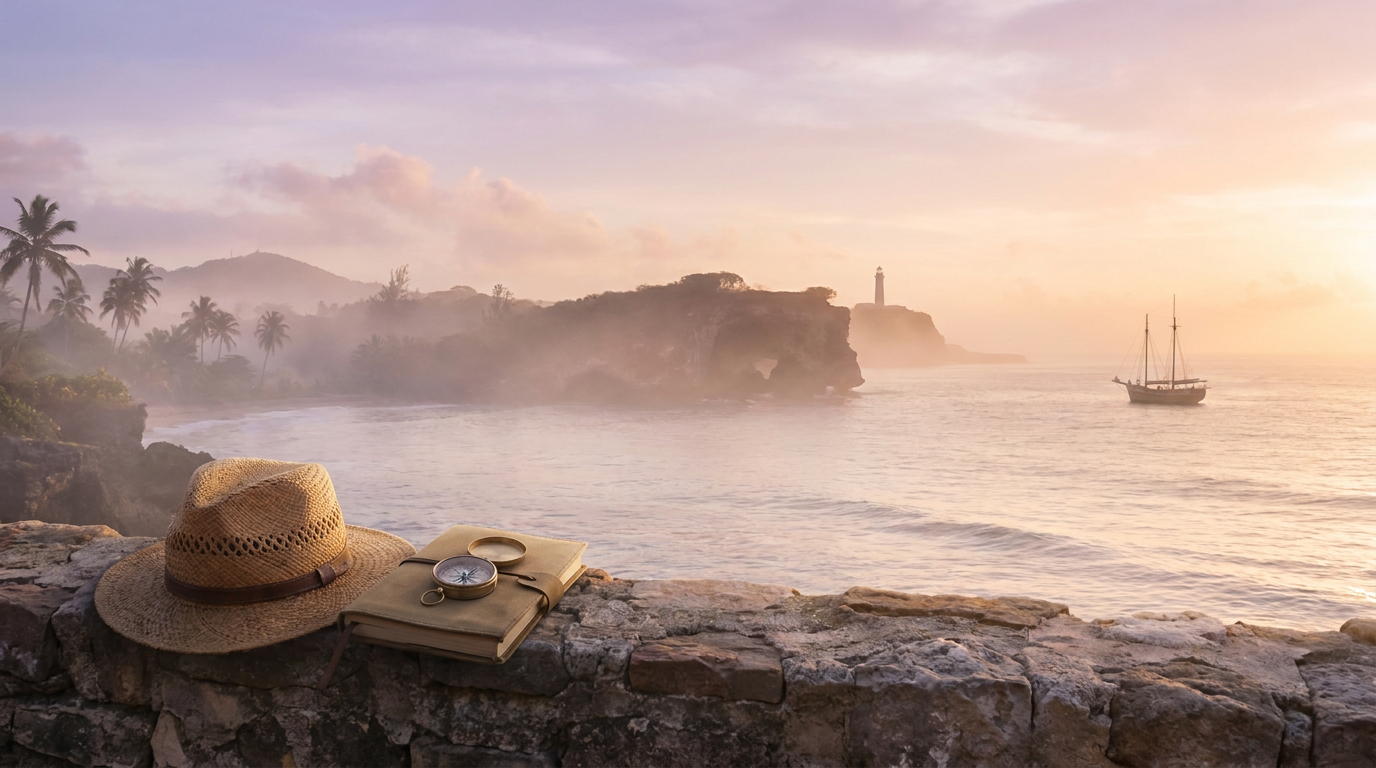
Barbados offers a quintessential Caribbean experience, but a closer look reveals an island with a distinct personality. Beyond the postcard-perfect beaches and turquoise waters, you'll find a rich cultural heritage, a world-class culinary scene, and a landscape that shifts from manicured resort areas to wild, rugged coastlines. This guide provides a practical overview for first-time visitors to help you plan a well-rounded and memorable trip.
What Barbados Is Known For
Often called the 'birthplace of rum,' Barbados has a history deeply intertwined with sugarcane cultivation. Historic distilleries like Mount Gay, founded in 1703, offer tours and tastings that are a highlight for many visitors. The island's British colonial past is evident in its architecture, place names, and the enduring popularity of cricket. The capital city, Bridgetown, and its Garrison are a UNESCO World Heritage site, recognized for their well-preserved colonial buildings and historical significance.
The island is also famous for its diverse coasts. The calm, clear waters of the west coast are ideal for swimming and snorkeling, while the south coast offers a livelier atmosphere with small waves perfect for gentle water sports. In contrast, the Atlantic-facing east coast is rugged and windswept, attracting experienced surfers and those seeking dramatic natural beauty.
Key Regions and Cities
Most visitors will fly into Grantley Adams International Airport (BGI), located in the south of the island. The capital, Bridgetown, is a bustling hub of commerce and history on the southwest coast. It's the place to explore historic sites, shop for local goods at Cheapside Market, and get a feel for daily Bajan life. North of Bridgetown lies the famous West Coast, often called the 'Platinum Coast' for its luxury resorts, high-end restaurants, and tranquil beaches like Mullins Bay and Paynes Bay.
The South Coast is known for its energetic vibe. Areas like St. Lawrence Gap ('The Gap') and Oistins are packed with hotels, restaurants, bars, and nightlife. This region is popular with travelers seeking a social atmosphere and convenient access to amenities. Oistins Fish Fry on a Friday night is a cultural institution, drawing locals and tourists for fresh seafood, music, and dancing.
For a different experience, head to the East Coast. This area is less developed and showcases the island's raw, natural beauty. The parish of St. Joseph, home to the iconic Bathsheba beach with its unique rock formations, offers a peaceful retreat. It's a great area for scenic drives, hiking, and appreciating the powerful Atlantic waves.
Best Seasons to Visit
The best time to visit Barbados is generally during the dry season, which runs from December to May. During these months, you can expect plenty of sunshine, lower humidity, and minimal rainfall, making it ideal for beach activities and exploring. This is also the peak tourist season, so prices for flights and accommodation are at their highest, and popular spots can be crowded. The wet season, from June to November, sees more frequent rain showers, but they are often short and followed by sun. This period coincides with the Atlantic hurricane season, though direct hits on Barbados are historically rare. Traveling during the shoulder months (like May or November) can offer a good balance of pleasant weather, fewer crowds, and more moderate prices.
Getting Around the Island
Renting a car is the most flexible way to explore Barbados. Driving is on the left, and while main roads are generally in good condition, rural roads can be narrow and winding. Navigation apps work well, but be prepared for roundabouts. Taxis are widely available but can be expensive; always agree on the fare before starting your journey as meters are not always used. For a more local and affordable experience, the island's public transport system is extensive. There are government-run blue buses and privately-owned yellow 'reggae' buses, both of which offer a cheap way to travel along the main coastal routes.
Essential Travel Information
The official currency is the Barbadian Dollar (BBD), which is pegged to the US Dollar at a fixed rate of approximately 2 BBD to 1 USD. US dollars are widely accepted across the island, but you will usually receive change in Barbadian dollars. Credit cards are accepted in most hotels, restaurants, and larger stores, but it's wise to carry some local currency for smaller purchases, markets, and bus fares.
Staying connected is straightforward in Barbados, with good mobile coverage and Wi-Fi available in most hotels and many cafes. To avoid high roaming charges from your home provider, consider purchasing a local SIM card upon arrival. For even greater convenience and seamless data access from the moment you land, you can install a travel eSIM from a provider like SimMaxi before you leave home. This allows you to connect to a local network immediately without needing a physical card.
Cultural Expectations
Bajans are known for their warmth and politeness. A friendly 'good morning' or 'good afternoon' is customary when entering a shop or interacting with people. While beachwear is fine at the beach or pool, it is not considered appropriate in towns, shops, or restaurants. It is respectful to cover up with a shirt or dress when you are away from the sand. Camouflage-patterned clothing is illegal for civilians to wear in Barbados, so be sure to leave any such items at home.
Stay connected when you land
With a SimMaxi eSIM, you can get online without hunting for a physical SIM card.