Essential Travel Tips for Your Trip to Bahrain
Navigate Bahrain with confidence using our practical guide to visas, currency, transport, local customs, and staying safe.
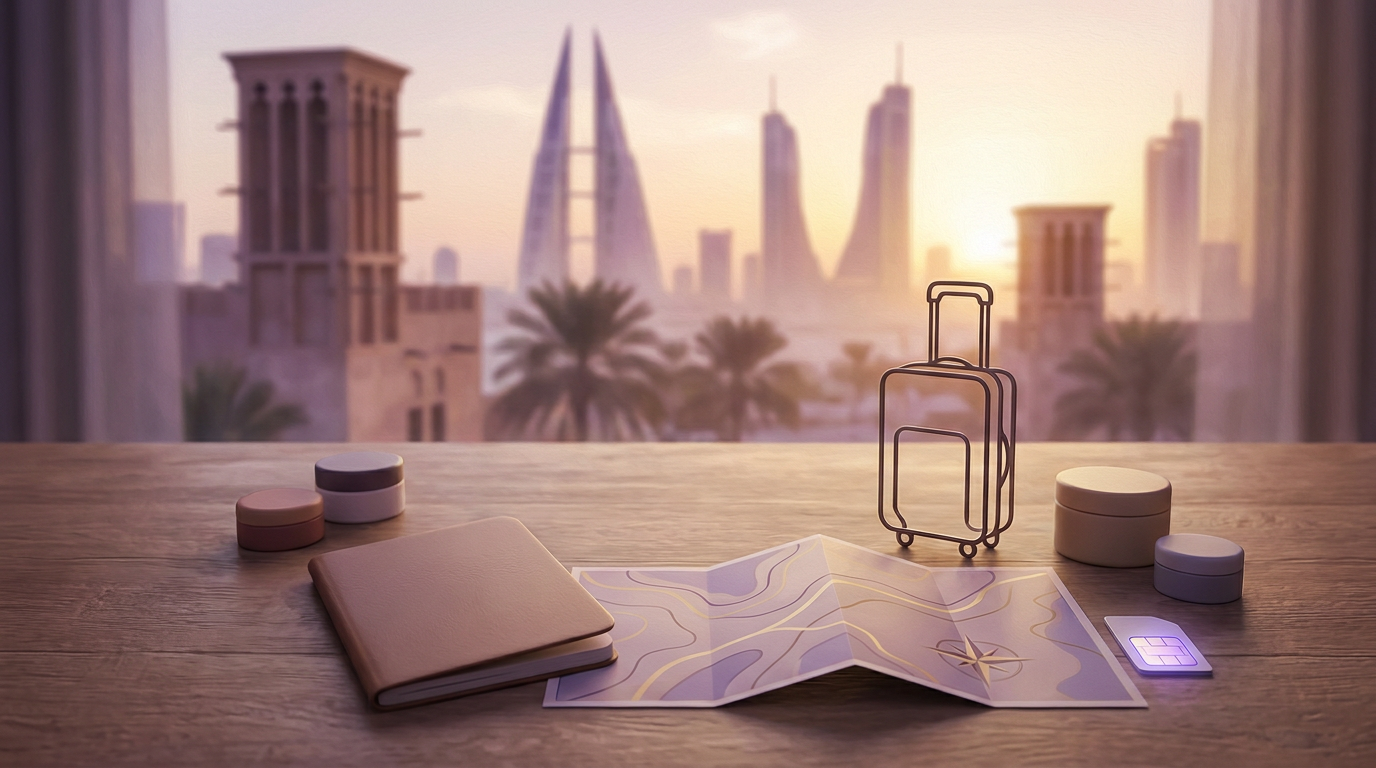
The Kingdom of Bahrain, an archipelago in the Persian Gulf, offers a unique blend of modern city life and rich history. While it's a welcoming and accessible destination, a little preparation goes a long way. This guide provides the practical, on-the-ground information you need for a smooth and enjoyable visit, from handling currency to navigating the streets of Manama.
Planning Your Arrival: Visas and Entry
Visa regulations for Bahrain depend on your nationality and can change without notice. Many passport holders are eligible for a visa on arrival or can apply for an e-visa in advance through the official Bahrain government portal. We strongly recommend checking the latest requirements for your specific nationality on the official 'Bahrain eVisa System' website well before your travel dates. Applying for an e-visa can often streamline your entry process at the airport.
Money, Connectivity, and Costs
The official currency is the Bahraini Dinar (BHD), which is divided into 1,000 fils. The Dinar is pegged to the US Dollar at a fixed rate of approximately 1 USD to 0.376 BHD. Credit and debit cards are widely accepted in hotels, larger restaurants, and shopping malls. However, it's wise to carry some cash for smaller shops, local souqs, and taxis. ATMs are readily available throughout cities and towns.
Staying connected is essential for navigating with maps, booking rides, and sharing your experiences. While public Wi-Fi is available in some cafes and hotels, its reliability can vary. To ensure consistent internet access from the moment you land, consider an eSIM. A service like SimMaxi allows you to download a data plan for Bahrain directly to your phone, avoiding expensive roaming charges and the hassle of finding a local SIM card.
Bahrain uses the Type G electrical plug, the same three-pronged plug found in the United Kingdom. The standard voltage is 230V with a frequency of 50Hz. If your devices use a different plug type, you will need to bring a universal travel adapter. Most modern electronics like laptops and phone chargers are dual-voltage, but it's always best to check the label on your device.
Getting Around Bahrain
Bahrain has a public bus system with modern, air-conditioned buses that serve Manama and other key areas. To use the buses, you'll need a GO Card, a reloadable smartcard that can be purchased at bus terminals and select stores. While the bus network is an affordable way to travel, routes and schedules might not always be the most convenient for reaching specific tourist sites, so plan your journeys in advance.
Taxis are plentiful, but it's crucial to ensure you get a fair price. Always insist on using the meter. Some drivers may offer a fixed price, which is often inflated. A more reliable and transparent option is to use ride-hailing apps like Uber or the regional equivalent, Careem. These apps provide upfront pricing and a digital record of your journey, which helps avoid any potential misunderstandings about the fare.
Health, Safety, and Emergencies
It is generally not recommended to drink tap water in Bahrain. While it may be safe for locals, visitors may have a different tolerance. To stay hydrated and avoid any potential stomach issues, stick to bottled water, which is inexpensive and widely available in all supermarkets, hotels, and restaurants.
The standard of medical care in Bahrain, particularly in private hospitals and clinics, is very high. However, treatment can be expensive. It is essential to have comprehensive travel insurance that covers medical emergencies, hospitalization, and medical evacuation for the duration of your stay. Ensure your policy is valid for Bahrain before you depart.
Local Customs and Communication
Tipping is not obligatory but is appreciated for good service. Many hotels and upscale restaurants add a service charge of 10-15% to the bill. If a service charge is not included, a tip of around 10% is customary. For taxi drivers, rounding up the fare is a common gesture. For hotel staff like porters, a small tip of around 1 BHD is appropriate.
While English is widely spoken in Bahrain, especially in business, hospitality, and retail environments, learning a few basic Arabic words can be a polite and welcome gesture. It shows respect for the local culture and can enhance your interactions.
Stay connected when you land
With a SimMaxi eSIM, you can get online without hunting for a physical SIM card.