Caribbean Netherlands Travel Guide: Islands, Seasons, Essentials
Plan a practical first trip to Bonaire, Sint Eustatius, and Saba with guidance on weather, transport, money, language, and local expectations.
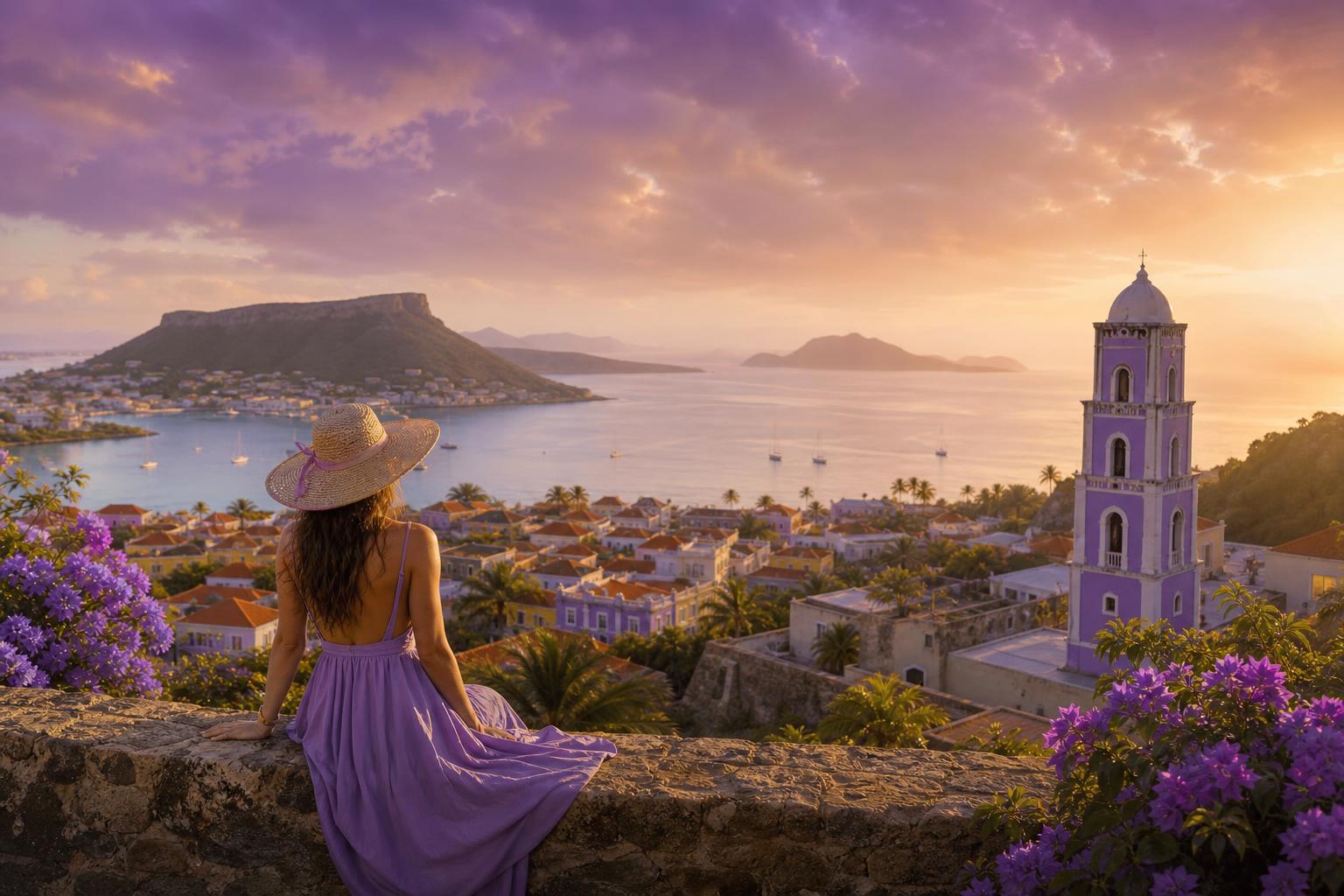
The Caribbean Netherlands is not one island but three small Dutch special municipalities spread across the northeastern Caribbean: Bonaire, Sint Eustatius, and Saba. Together they offer a short-distance, low-stress way to experience reef diving, volcanic scenery, and compact island towns without the scale or pace of a larger destination. Travelers come here for nature, calm beaches, water sports, hiking, and a more local feel than many cruise-heavy Caribbean stops.
For first-time visitors, it helps to think of the three islands as related administratively but very different in character. Bonaire is the easiest entry point for reef lovers and independent travelers, with the widest choice of hotels, dive operators, and rental cars. Saba is steep, green, and best for hikers and quiet escapes. Sint Eustatius, often called Statia, is smaller and more low-key, with heritage sites and a slower rhythm that appeals to travelers who want space and history rather than nightlife.
What the Caribbean Netherlands is known for
Bonaire is best known for its marine park and shore diving. Many visitors come specifically for easy reef access, reliable visibility, and a generally relaxed outdoor culture. Pink salt flats, flamingo habitats, and windsurfing areas add variety beyond the beach. Saba is known for its dramatic slopes, cloud forest, and the climbable summit of Mount Scenery, the highest point in the Dutch kingdom. Sint Eustatius stands out for colonial-era ruins, volcanic terrain, and a historical center that feels intact rather than overdeveloped.
There are no large resort belts or sprawling city districts here, and that is part of the appeal. The islands are compact enough that you can learn the main roads, beaches, and villages quickly. That simplicity makes them good destinations for travelers who prefer clear logistics, nature-focused itineraries, and a strong sense of place over long transfers and packed sightseeing schedules.
Key places to know on each island
On Bonaire, most visitors stay near Kralendijk, the main town and practical base for restaurants, dive shops, and day-to-day services. The southern coast is where you will find many of the island’s famous shore dives, while the Washington Slagbaai area in the north is better for scenic driving, birdlife, and unpaved routes. On Sint Eustatius, Oranjestad is the main settlement and the easiest place to orient yourself, with museums, historic sites, and access to the island’s quieter roads. On Saba, The Bottom is the administrative center, while Windwardside is a convenient base for restaurants, guesthouses, and trail access.
Travel times are short, but the terrain can be more important than distance. A map may suggest that one place is close, yet a steep road, a narrow lane, or an unpaved section can make a simple trip take longer than expected. That is especially true on Saba and in the more remote parts of Bonaire. Building in buffer time is wise, particularly if you are connecting flights, booking a dive charter, or planning a sunset dinner after a day out.
Best time to visit and what the weather feels like
The islands are generally warm year-round, with trade winds and a tropical dry climate that keeps many days sunny and manageable. For many travelers, the most comfortable months are roughly December through April, when temperatures tend to feel less humid and rainfall is usually lower. This is also the busiest travel period, so availability can tighten and rates may be higher. The shoulder months can offer better value, but it is sensible to check seasonal conditions and local opening hours before you book.
If you are planning outdoor activities, remember that the islands differ in exposure. Bonaire can feel breezier and drier, which suits water sports and beach time. Saba’s mountain climate can be cooler and more changeable, especially at higher elevations. Sint Eustatius is generally warm as well, but rain showers and cloud cover can appear quickly. A flexible day plan works better than an overly rigid schedule, particularly if you want to hike, dive, or explore by road.
Transport basics, currency, and language
- Currency: the U.S. dollar is used across the Caribbean Netherlands, which simplifies budgeting for many visitors.
- Language: Dutch is official, but English and Papiamentu are widely understood, especially in Bonaire; on Sint Eustatius and Saba, English is commonly used in daily travel settings.
- Getting around: Bonaire is easiest with a rental car if you want flexible beach and dive access; Saba and Sint Eustatius are smaller, but taxis, local transfers, and occasional car rentals may be useful depending on your itinerary.
- Air access: flights usually connect through regional hubs, and schedules can change seasonally; always confirm baggage rules and connection times before booking multiple legs.
- Ferries are limited in this part of the Caribbean, so air travel is often the main way between islands.
Because the islands are small, transportation is less about finding options and more about matching the right option to your plans. If you are staying near a main town in Bonaire, you may manage without a car for a short visit, though that limits freedom. On Saba, the steep roads and dispersed villages make taxis or prearranged transport more useful than improvising. In all cases, confirm whether your accommodation includes transfers, parking, or storage for dive or hiking gear.
Practical expectations for a smooth first trip
- Entry and visa rules can vary by nationality and may change, so check current requirements before you travel, even if you hold a familiar passport.
- Health and customs rules may also shift; review any current vaccination, prohibited item, or declaration guidance close to departure.
- Many businesses keep modest opening hours, especially outside the main town centers, so do not assume late-night service or daily operations.
- Carry some flexibility in your itinerary for weather, ferry gaps, and activity schedules, especially if you are diving or hiking.
- Card payments are common in many places, but having a small amount of cash can still help for taxis, tips, and small purchases.
Cultural expectations are generally straightforward: be respectful, punctual for tours, and mindful of shared natural spaces. Reef and trail etiquette matters here because visitors often come for fragile ecosystems. That means using reef-safe habits where appropriate, following local instructions on marine parks and national parks, and avoiding litter or off-trail shortcuts. In towns, a friendly greeting goes a long way, and service tends to be practical rather than overly formal.
Dining is usually relaxed and low-key, with menus shaped by a mix of Caribbean, Dutch, and international influences. You can expect simple lunches, seafood, grilled dishes, and casual restaurants rather than a dense fine-dining scene. Hours may be shorter than in larger tourist destinations, so it is smart to book ahead for popular dinner spots or ask your hotel about the nearest reliable options. That advice applies even more on smaller islands where one closed restaurant can change an evening plan.
The best first visit is the one that leaves room for the islands to set the pace: plan the essentials, then keep some space for weather, local advice, and a slower rhythm.
— SimMaxi travel editor
Get your Caribbean Netherlands eSIM
Ready to sort your data before you fly? Explore the SimMaxi country package for the Caribbean Netherlands and stay connected for maps, bookings, and local updates during your trip.
For a first-time itinerary, a good approach is to choose one island rather than trying to cover all three in a short trip. Bonaire suits travelers who want water activities and easy logistics. Saba suits active visitors who enjoy hiking and scenery. Sint Eustatius suits travelers who prefer history, quiet streets, and a less touristic atmosphere. If you do combine islands, treat the trip as a small regional journey and book with extra time between connections.
View Bonaire, Sint Eustatius ve Saba eSIM plans →