A Food Lover's Guide to the Bahamas
From fresh conch salad and savory souse to rum cocktails and local etiquette, here's how to eat and drink your way through the islands.
The Flavors of the Bahamas: What to Expect
Bahamian cuisine is a flavorful reflection of the islands' history and geography. It's a hearty and soulful blend of Southern American, West African, and Caribbean influences, built around the bounty of the sea. While resort restaurants offer international fare, the true taste of the Bahamas is found in its local eateries, fish fry shacks, and home-style cooking. Fresh seafood is the undeniable star, but you'll also find savory stews, unique side dishes, and sweet tropical fruit flavors woven into every meal.
Signature Bahamian Dishes You Must Try
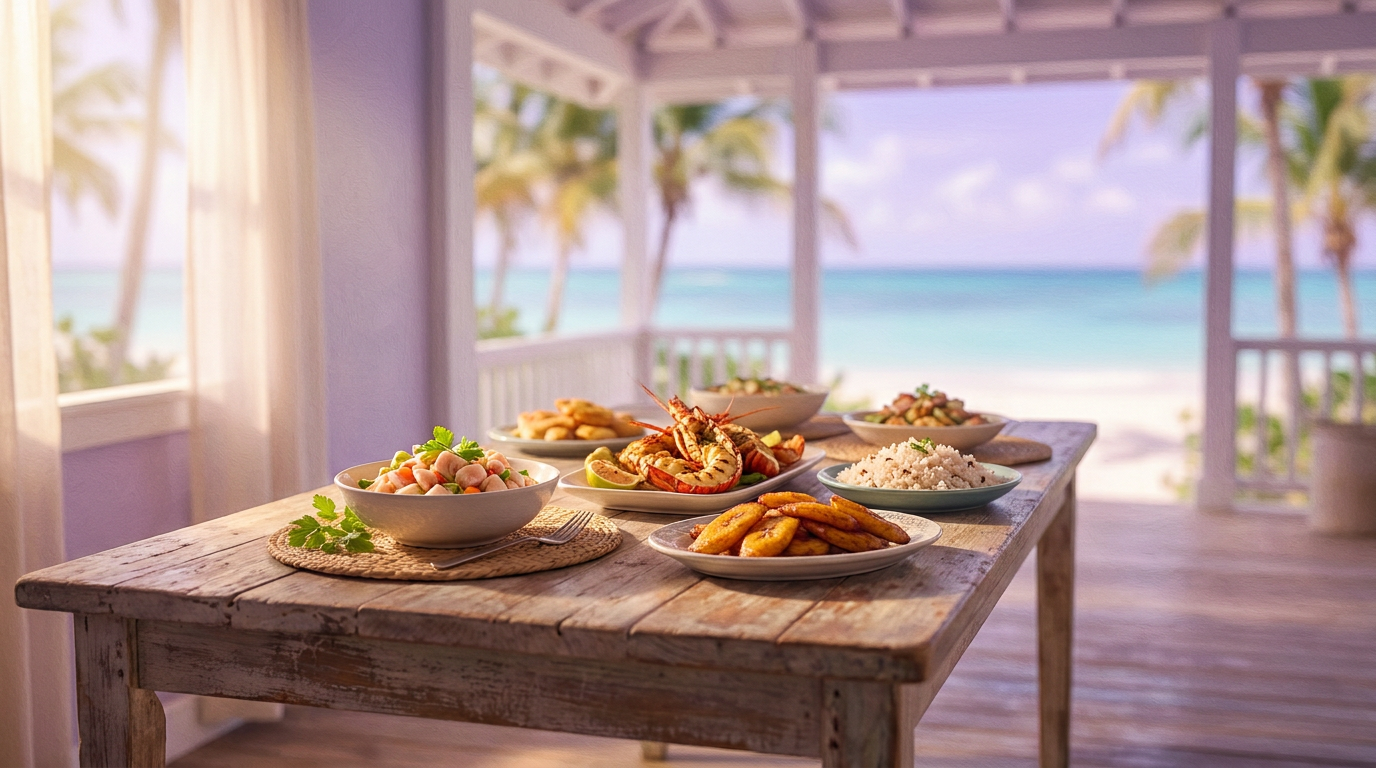
You cannot talk about Bahamian food without mentioning conch (pronounced 'konk'). This large sea mollusk is the national dish and is incredibly versatile. You'll find it prepared in several ways. Conch salad is a refreshing ceviche-style dish with raw conch, diced peppers, onions, and citrus juice. Cracked conch consists of tenderized conch meat, battered and deep-fried until golden. Conch fritters are small, savory balls of dough mixed with finely chopped conch and fried, perfect as an appetizer or snack.
Beyond conch, the seafood offerings are plentiful. Grouper is another local favorite, often served fried as 'grouper fingers' with a side of tartar sauce. A traditional Bahamian breakfast might be boiled fish, typically grouper or snapper, served in a light broth with potatoes, onions, and a side of johnnycake or grits. During the season (typically August to March), spiny lobster, also known as rock lobster, is a popular delicacy, often grilled or served in a creamy sauce.
For those looking beyond seafood, several side dishes are national staples. Peas 'n' Rice is the quintessential Bahamian side, made with pigeon peas, rice, and often flavored with salt pork or bacon, tomatoes, and thyme. Bahamian-style baked macaroni and cheese is another must-try; it's a dense, firm casserole, often with a hint of bell pepper and onion, and is cut into squares rather than scooped. Souse is a savory stew, often made with chicken, sheep's tongue, or pork, and simmered in a clear, tangy broth with lime, peppers, and allspice. It's a local remedy and a weekend favorite.
Street Food and Casual Eats
To find the most authentic and affordable Bahamian food, head to a local 'fish fry.' These collections of colorful shacks and outdoor kitchens are culinary hubs in communities across the islands. Arawak Cay in Nassau is one of the most famous examples, offering a lively atmosphere where you can watch your food being prepared. This is the best place to sample a wide variety of dishes, from grilled fish to conch fritters, all while enjoying the local music and culture. Don't be afraid to ask vendors for their specialty.
Finding vegetarian or vegan food in the Bahamas requires a little planning but is certainly achievable. Traditional cuisine is heavily reliant on seafood and meat. However, most restaurants offer a variety of side dishes that can be combined to make a meal. These often include plantains, coleslaw, potato salad, and peas 'n' rice (always confirm it's made without meat, as salt pork is a common ingredient). Upscale restaurants and those in larger resorts are more likely to have dedicated vegetarian menu items. Communicating your dietary needs clearly and politely will go a long way.
Bahamian Drinks and Desserts
To quench your thirst, try Switcha, the local version of lemonade, made with native sour oranges or limes. For a non-alcoholic soda, Goombay Punch is a sweet, pineapple-flavored soft drink that's a local institution. Of course, the Bahamas is famous for its rum. You'll find it in countless cocktails, from the classic Bahama Mama to simple rum and cokes. Visiting a local distillery, such as John Watling's in Nassau, can be a great way to learn about the history and production of Bahamian rum.
For dessert, the undisputed champion is Guava Duff. This beloved dish involves folding guava fruit into a dough, which is then boiled or steamed. It's served warm, often sliced like a cake, and drizzled with a sweet rum-butter sauce. Another popular sweet treat is rum cake, a rich, buttery cake soaked in a generous amount of local rum. These are often sold pre-packaged and make for excellent souvenirs to take home.
Dining Etiquette and Practical Tips
Dining etiquette in the Bahamas is generally relaxed and informal. At most casual restaurants and fish fries, beachwear is acceptable. However, for upscale dining, especially in the evening, a 'smart casual' dress code is often expected, meaning no beachwear, tank tops, or flip-flops. Service can operate on 'island time,' which means it may be more leisurely than you're used to. It's best to relax, be patient, and enjoy the unhurried pace.
Food safety is generally good in the Bahamas, but it's wise to take standard precautions. Drink bottled or filtered water rather than tap water. When eating from street stalls or fish fries, choose vendors that are busy and popular with locals, as this indicates high turnover and fresh food. Seafood should always smell fresh like the ocean; avoid anything with a strong 'fishy' or ammonia-like odor. Use your judgment, and if a place doesn't look or feel clean, it's best to move on.
Exploring Bahamian cuisine is a chance to directly support the local economy. Whenever possible, choose Bahamian-owned restaurants, cafes, and food stalls over international chains. This ensures your travel spending benefits the community. Be mindful of sustainability, particularly with conch, which faces threats from overfishing. Some restaurants are beginning to source it from sustainable farms. Don't be afraid to ask where the seafood comes from to make a more informed and responsible choice.
Stay connected when you land
With a SimMaxi eSIM, you can get online without hunting for a physical SIM card.