Germany Travel Guide: Everything for First-Timers, from Berlin to Bavaria
From fairytale castles to dynamic metropolises, this guide has all the practical information, city recommendations, and cultural tips you need to discover Germany.
Welcome to Germany: The Land Where Discipline and Fairytales Meet
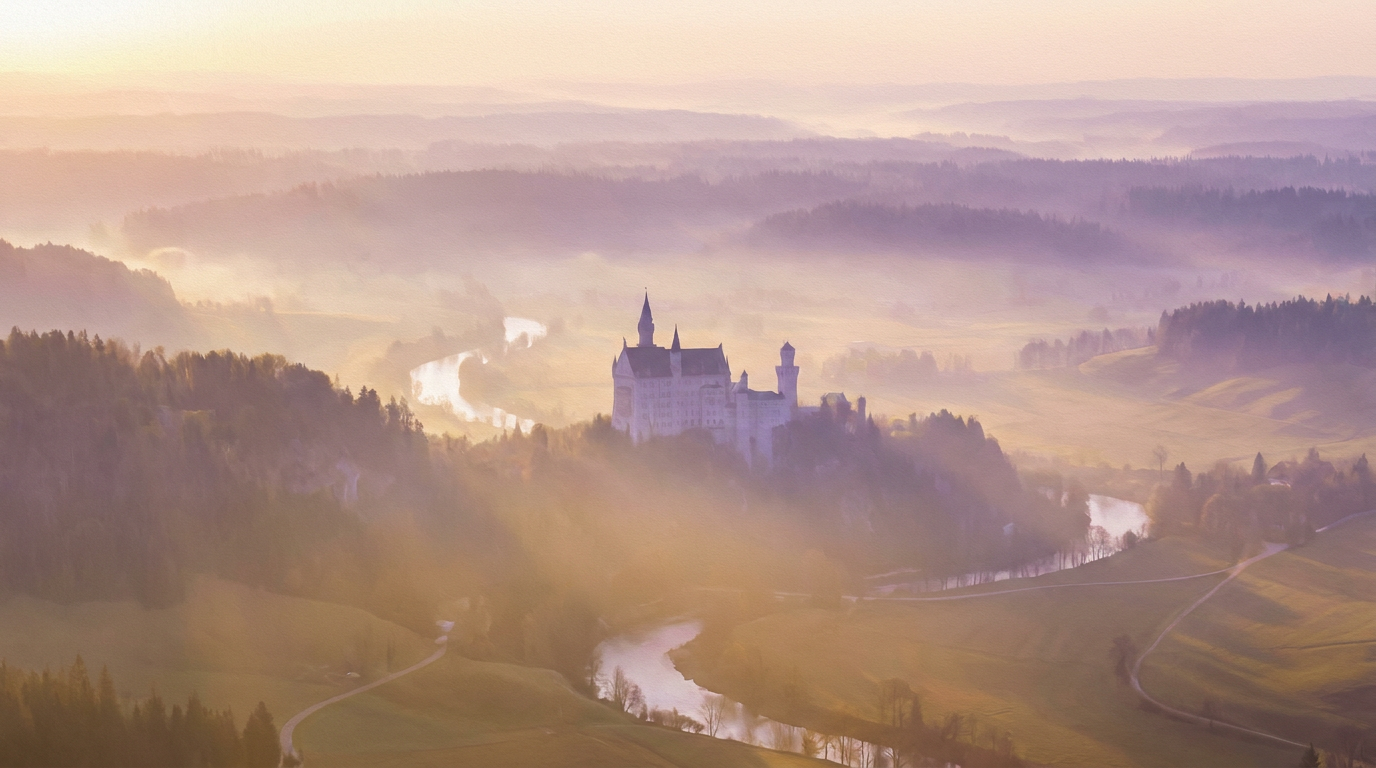
What's the first thing that comes to mind when you think of Germany? World-famous car brands, engineering marvels, and a society known for its punctuality? Yes, these reflect the modern face of Germany. But this country is also home to magical forests like the Black Forest (Schwarzwald), which inspired the Grimm Brothers' fairy tales, enchanting castles like Neuschwanstein, and historic towns that preserve centuries-old traditions. Germany is a perfect blend of high technology and deep-rooted history, the dynamism of city life and the tranquility of nature. This guide will offer you a roadmap to explore both of these worlds. Whether you get lost in the art-filled streets of Berlin or go hiking at the foot of the Bavarian Alps, there's an adventure for every traveler in Germany.
Top Cities and Regions in Germany
The capital, Berlin, is undoubtedly Germany's most dynamic and multi-layered city. Remnants of the Wall bearing the marks of the Cold War, historic landmarks like the Brandenburg Gate, and the priceless collections on Museum Island (Museumsinsel) reveal the city's rich past. But Berlin isn't just a history lesson; it's also one of Europe's most vibrant art and culture hubs. It's a city that constantly reinvents itself with countless galleries, street art, alternative clubs, and restaurants offering the best of international cuisine. You can feel the city's bohemian and creative spirit up close, especially in neighborhoods like Kreuzberg and Neukölln. For those seeking a mix of history, art, and entertainment, Berlin is an essential stop on any trip to Germany.
Munich, the capital of the southern state of Bavaria, has a very different atmosphere from Berlin. It's known for its proximity to the Alps, traditional architecture, and the world-famous Oktoberfest beer festival. The heart of the city beats at Marienplatz, where you can admire the magnificent architecture of the Neues Rathaus (New Town Hall). Seeing surfers in the massive Englischer Garten park within the city is proof of just how interesting Munich is. The Bavarian region is also home to some of Germany's most iconic landscapes. You can take a day trip to Neuschwanstein Castle, which inspired the Disney logo, or travel along the Romantic Road (Romantische Straße) to discover a series of charming towns. For those who want to experience traditional German culture and breathtaking natural scenery, Munich and Bavaria are an ideal choice.
Hamburg, the largest port city in Northern Germany, is known as the 'Venice of the North' for its canals and bridges. Situated on the banks of the Elbe River, this city offers a unique mix of maritime history and modern architecture. The Speicherstadt, a UNESCO World Heritage site, is the world's largest warehouse district and a paradise for photographers with its red-brick buildings. Nearby, HafenCity is home to the Elbphilharmonie concert hall, one of the finest examples of futuristic architecture. Hamburg's nightlife is also quite famous; the Reeperbahn street and the St. Pauli district, in particular, are known for their all-night entertainment. Visiting the fish market (Fischmarkt), taking a boat tour on the canals, and exploring Miniatur Wunderland are at the top of the to-do list in Hamburg.
Known as Germany's financial hub, Frankfurt is often seen as just a layover spot, but it's actually a city worth exploring. Amidst modern skyscrapers, the traditional German houses in Römerberg square create a beautiful contrast. The Museum Embankment (Museumsufer) along the Main River offers fantastic options for art and history enthusiasts. One of Frankfurt's biggest advantages is that it's a gateway to the Rhine Valley, one of the country's most scenic routes. A car or train journey along the Rhine River will take you to a fairytale land of hillside vineyards, charming riverside towns, and medieval castles crowning every hill. The section between Koblenz and Rüdesheim am Rhein is particularly famous for its scenery.
When to Go?
Spring and summer (April-September) are the most popular times to visit Germany. The weather is mild, the days are long, and nature is at its most vibrant. This period is perfect for exploring cities on foot, spending time in parks and beer gardens (Biergarten), and hiking in the Black Forest or the Alps. However, remember that these months are also the peak tourist season. Therefore, accommodation and flight prices can be higher, and popular tourist spots may be more crowded. Booking early will help you stick to your budget. Many festivals and outdoor events are held, especially in July and August, which can add color to your trip.
Autumn (October-November) is a wonderful time to discover a different side of Germany. As the leaves turn to a thousand shades of yellow, orange, and red, wine harvest festivals are held, especially in the southern wine regions. Although the weather starts to cool down, you can enjoy a quieter travel experience with fewer crowds. The winter months (December-February) can be cold and dark, but they are definitely worth it for the world-famous Christmas markets (Weihnachtsmarkt) that turn Germany into a winter wonderland. Markets in cities like Nuremberg, Dresden, and Cologne offer a magical atmosphere with mulled wine (Glühwein), gingerbread cookies, and handmade decorations. If you're into winter sports, you can also find opportunities for skiing in the Bavarian Alps.
Practical Information: Preparing for Your Trip to Germany
Germany has one of the most developed and efficient transportation networks in Europe. The best option for intercity travel is usually the trains operated by Deutsche Bahn (DB). High-speed trains (ICE) connect major cities, while regional trains (RE, RB) provide access to smaller towns. Buying tickets online before your travel date often helps you find better prices. Within cities, the public transport system, consisting of the U-Bahn (metro), S-Bahn (suburban train), trams, and buses, is very convenient. You can get unlimited travel by purchasing daily or weekly tickets. If you're considering renting a car, you can experience the famous Autobahn, with some sections having no speed limit. However, remember that finding parking in city centers can be difficult and expensive.
Germany's official language is German, and its currency is the Euro (€). English is widely spoken in big cities, tourist areas, and among young people, so you generally won't have trouble communicating. Still, learning a few basic German phrases will earn you some goodwill when interacting with locals. Simple words like 'Hallo' (Hello), 'Danke' (Thank you), and 'Bitte' (Please/You're welcome) can make a big difference. Credit and debit cards are widely accepted in hotels, large stores, and restaurants. However, small shops, cafes, markets, or some bars may only accept cash. So, it's always a good idea to have some cash on you.
It's important to be prepared to connect to the internet instantly and find your way on maps when you arrive in Germany. To avoid the hassle of searching for a physical SIM card, you can get an eSIM plan before your trip. With SimMaxi's data plans for Germany, you can be online from the moment your plane lands and stay in touch with your loved ones. This is especially convenient on your first day when trying to get to your hotel or an address, checking train times, or looking for a nearby restaurant. The setup is simple and fast, so you can spend your time enjoying your trip, not looking for a SIM card.
Culture, Traditions, and Etiquette
One of the cornerstones of German culture is punctuality. Arriving on time for an appointment, a meal, or a meeting is extremely important. Being late can be perceived as disrespectful. Similarly, planning is an integral part of the German way of life. Most people plan their weeks and even months in advance. Therefore, it's common practice to give notice and make appointments for things like visiting a friend or booking a table at a restaurant. Spontaneous plans are less common. This planned structure also ensures that everything runs smoothly and efficiently. During your trip, you'll notice that trains and buses usually depart exactly on time, so it's a good idea to be at the stop a few minutes early.
Etiquette in social settings is quite simple but important. Shaking hands is a common form of greeting when meeting someone new or entering a place. It's polite to say 'Guten Tag' (Good day) or 'Hallo' (Hello) when entering a small shop or a doctor's waiting room, and 'Auf Wiedersehen' (Goodbye) when leaving. At a restaurant, it's customary to wait for everyone at the table to be served before starting to eat and to say 'Guten Appetit' (Enjoy your meal). The topic of tipping (Trinkgeld) is a bit different. Although service is usually included in the price, leaving a tip for good service is appreciated. It's generally sufficient to round up the bill or leave an amount of about 5-10% of the total.
German cuisine, though often associated with sausages (Wurst), potatoes, and sauerkraut, is actually much richer and more diverse. Each region has its own unique delicacies. In the south, you can try Bavaria's cheese spaetzle (Spätzle), or in the north, a Hamburg specialty called Labskaus. Bakeries (Bäckerei) offer fresh bread, pretzel-like Brezels, and a variety of delicious pastries at all hours of the day. And of course, there's the beer culture... You can find thousands of different types of beer, regulated by the Beer Purity Law (Reinheitsgebot) dating back to 1516. In recent years, the number of restaurants offering vegetarian and vegan options has also rapidly increased in big cities, so it's quite easy to find something for every palate.
Germany is a country full of contrasts, offering a rich experience that appeals to every type of traveler. Whether you're chasing street art in Berlin, finding peace by the tranquil lakes of Bavaria, or admiring the romantic castles of the Rhine Valley, you're sure to find what you're looking for here. While being organized will make your trip easier, don't forget to enjoy the spontaneous moments and unexpected discoveries. Be open to new flavors, different traditions, and the new people you'll meet. Beneath its orderly and predictable surface, Germany has a warm and hospitable spirit. Happy travels, or as the Germans say, 'Gute Reise'!
View Almanya eSIM plans →