Your Practical Travel Guide to Germany (Germany)
Everything you need to know about navigating Germany’s cities and countryside with ease.
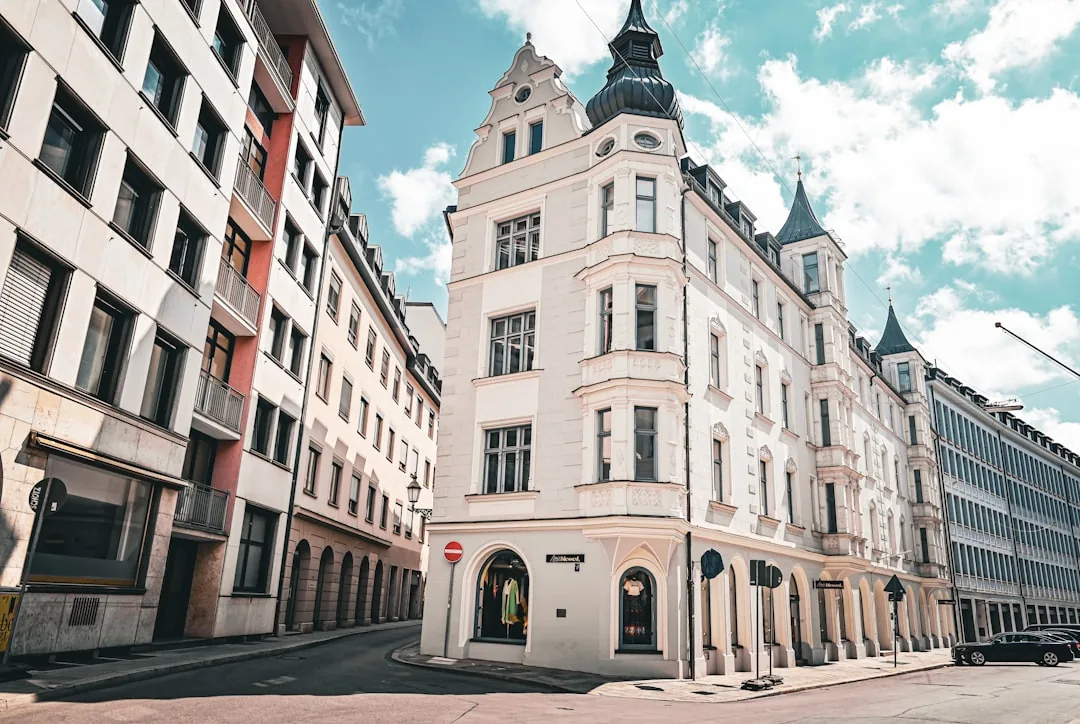

Planning a trip to Germany? You're in for a journey through a country that masterfully blends hyper-modern cities with fairytale landscapes. To help you navigate its rich culture and efficient systems, we've put together this practical guide covering the essentials, from entry requirements to packing the right power adapter.
Navigating Entry: Visas and Border Basics for Germany
Germany is part of the Schengen Area, a zone of 27 European countries that have officially abolished all passport and other types of border control at their mutual borders. For many international travelers, this means you can enter Germany for up to 90 days within a 180-day period for tourism or business without a visa. However, this varies greatly depending on your nationality.
It is absolutely crucial to verify the specific requirements for your passport. We recommend consulting the official German Federal Foreign Office website or the German embassy or consulate in your home country for the most accurate and up-to-date information. Regulations can change, so checking before you book and again before you fly is a smart move to ensure a smooth arrival.
- Ensure your passport is valid for at least six months beyond your intended date of departure from the Schengen Area.
- Verify visa requirements for your specific nationality well in advance of your travel dates.
- Keep digital and physical copies of your passport, visa (if applicable), and travel insurance.
Handling Euros: Currency, Cards, and Cash in Germany
The official currency in Germany is the Euro (€). In major cities like Berlin, Munich, and Hamburg, credit and debit cards (especially Visa and Mastercard) are widely accepted in hotels, larger restaurants, and retail stores. However, Germany remains a surprisingly cash-friendly society. You'll find that smaller shops, local bakeries, market stalls, and some traditional pubs (Kneipen) may be cash-only.
ATMs, known as 'Geldautomat', are readily available across the country. To minimize fees, try to use ATMs affiliated with major banking networks. When it comes to tipping (Trinkgeld), it's customary but not as percentage-driven as in other countries. For good service, rounding up the bill or leaving an extra 5-10% is a common and appreciated gesture.
- Inform your bank of your travel dates before you leave to prevent your cards from being flagged for fraud.
- Always carry some Euros in cash for small purchases and establishments that don't accept cards.
- Contactless payments are increasingly common, so check for the symbol at checkout.

Mastering German Transport: From the Autobahn to the U-Bahn
Germany’s public transportation network is a model of efficiency and a traveler's best friend. For long-distance travel, the Deutsche Bahn (DB) offers an extensive network of high-speed (ICE) and regional trains connecting virtually every town and city. Within cities, you'll find a seamless integration of U-Bahn (subway), S-Bahn (suburban trains), trams (Straßenbahn), and buses.
Consider purchasing a city-specific day pass (Tageskarte) or the Deutschland-Ticket for unlimited regional travel across the country. If you're driving, the famous Autobahn has sections with no official speed limit, but always adhere to the recommended speed and the strict 'keep right except to pass' rule. Be aware of 'Umweltzonen' (low-emission zones) in most city centers, which require a special sticker for your vehicle.
- Download the DB Navigator app to check schedules, buy tickets, and receive delay notifications.
- Always validate your ticket in the stamping machines on the platform or upon boarding a bus/tram to avoid hefty fines.
- Rental cars are typically manual transmission by default, so be sure to specify if you require an automatic.

Ordnung muss sein.
— A German saying, meaning 'There must be order.'
Your Germany Checklist: Safety, Power, and Packing Essentials
Germany is a very safe country with low rates of violent crime. As in any popular travel destination, you should exercise standard precautions. Be mindful of your belongings in crowded areas like train stations, Christmas markets, and major tourist sites in cities like Cologne or Dresden to guard against pickpocketing. The nationwide emergency number for police, fire, and ambulance services is 112.
For your electronics, Germany uses the Type F (also known as 'Schuko') power socket. The standard voltage is 230V with a frequency of 50Hz. If you're traveling from the Americas, Japan, or other regions with a different voltage, you'll need a plug adapter and may need a voltage converter for devices that aren't dual-voltage (like some hair dryers).
- A universal power adapter compatible with the Type F plug.
- Comfortable, broken-in walking shoes are non-negotiable for exploring cobblestone streets.
- Layered clothing, including a waterproof and windproof jacket, as the weather can be unpredictable.
- A reusable water bottle; tap water is high-quality and safe to drink throughout the country.
Stay Connected Instantly with a Simmaxi eSIM
Forget hunting for a local SIM card at the airport or dealing with language barriers at a mobile shop. With a Simmaxi eSIM for Germany, you can get online the moment you land. Enjoy high-speed data to navigate with maps, book train tickets on the go, and share your experiences without worrying about expensive roaming fees. It’s the smart, simple way to stay connected throughout your German adventure.
View Almanya eSIM plans →