Estonia Food and Culture Guide: Dishes, Markets, and Dining Tips
Explore Estonia's culinary landscape from dark rye bread and Baltic fish to vibrant street food markets, regional food trails, and home cafes.
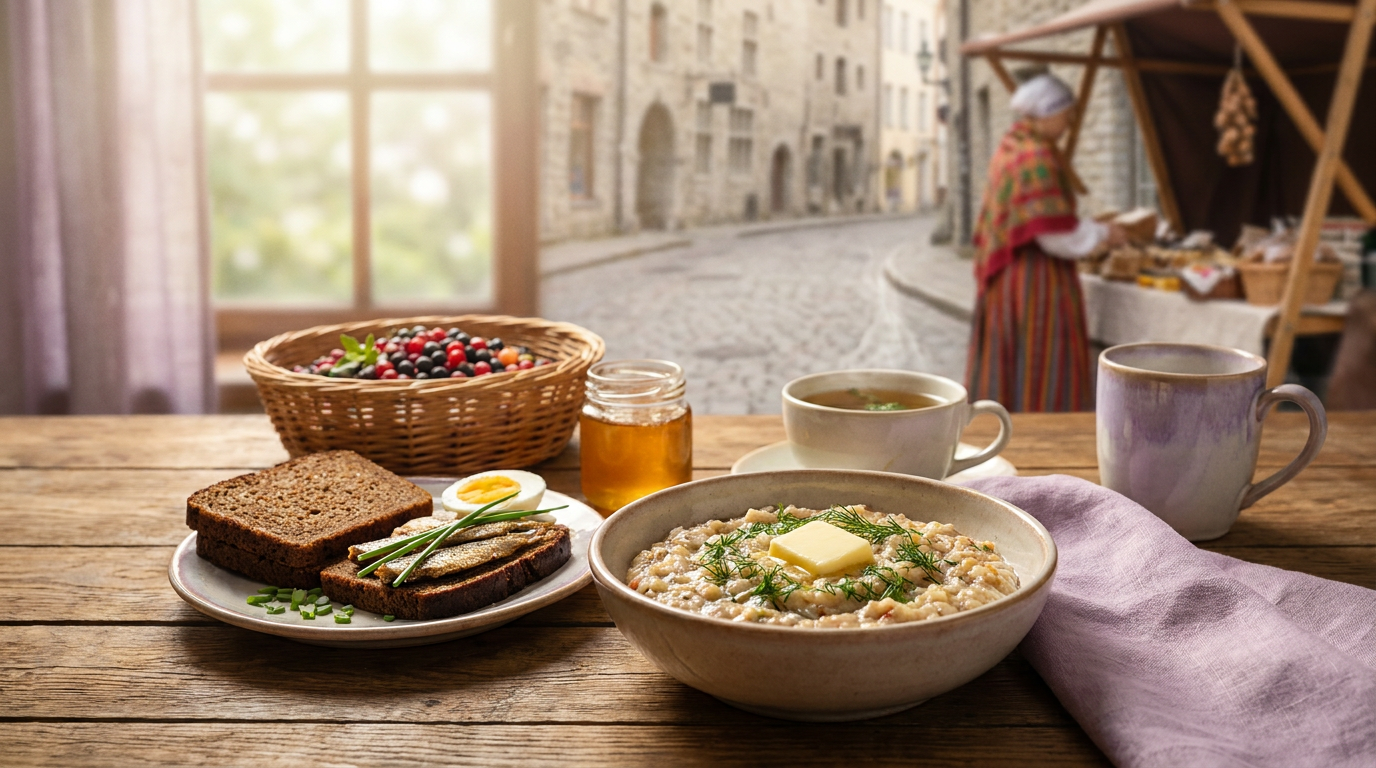
Estonia's culinary identity is shaped by its northern climate, extensive Baltic coastline, dense forests, and agricultural heartlands. Across the country, menus follow the rhythm of the seasons, moving from fresh garden produce and forest berries in the warmer months to hearty root vegetables, preserved harvests, and cured fish throughout the cooler seasons. For international travelers, exploring local food in Estonia offers an accessible window into both historic traditions and contemporary Nordic-Baltic dining.
Whether you are sitting down at a modern bistro in Tallinn, browsing stalls at an urban food hall, or visiting a rural farmstead, you will find a strong emphasis on locally sourced ingredients. To recognize regional specialties, Estonia selects an annual culinary showcase; for 2026, Jõgeva County was designated as the Estonian Food Region of the Year by Visit Estonia to highlight its local produce and regional edible identity. Planning your trip around these regional highlights allows you to experience flavours that vary noticeably from the western islands to the eastern lakeshores.
Signature Estonian Dishes and Regional Flavors
At the core of the Estonian table is dark rye bread, which accompanies meals and forms the base for one of the country's classic snacks: kiluvõileib. According to Discover Estonia and Visit Estonia, kiluvõileib is an open-face sandwich made with spiced Baltic sprat served over dark rye bread, often topped with egg and fresh herbs. It is a staple at festive gatherings, casual cafes, and market stalls alike, offering a savoury introduction to coastal flavours.
Fish plays a central role in regional cooking, with preparation methods shifting depending on geography. According to Visit Estonia, Estonian island cuisine centers on Baltic Sea fish that is smoked, grilled, pickled, or fried. When you travel inland toward South Estonia, regional menus prominently feature freshwater fish caught from Lake Peipsi. This geographical contrast makes ordering the catch of the day a rewarding habit as you move between coastal towns and inland counties.
Another deeply rooted staple is kama, a traditional milled grain blend consisting of roasted barley, rye, oat, and pea flour. Historically a nourishing travel food for farmers, kama is now widely enjoyed at breakfast or as a light dessert, typically mixed into kefir, buttermilk, or yoghurt and sweetened with berries or honey. You will see it on hotel breakfast buffets as well as reworked into mousses and pastries on modern restaurant menus.
Beyond grains and fish, specific regions celebrate single-ingredient traditions. According to the Republic of Estonia's e-Residency programme, South Estonia's Onion Route along the shores of Lake Peipsi is noted for its regional culinary traditions centered around local onion dishes, where visitors can sample pies, jams, and braised specialties prepared by local communities.
Vegetarian Options, Sweets, and Historic Drinks
Travelers looking for vegetarian and plant-forward options will find plenty of choices rooted in Estonia's agricultural and foraging traditions. Because kama is naturally made from roasted grains and pea flour, it serves as a versatile vegetarian staple when paired with plant-based alternatives or dairy. Furthermore, the prominence of South Estonia's Onion Route dishes, fresh garden vegetables, mushrooms, and seasonal berries means that meat-free sides, soups, and bakery items are easy to locate in both urban cafes and country markets.
For those with a sweet tooth or an interest in medieval history, Tallinn's Old Town preserves centuries-old confectionery and beverage recipes. According to Visit Estonia, almond-and-powdered-sugar marzipan has been produced in Estonia since the Middle Ages, and travelers can sample historic confections at Maiasmokk Café in Tallinn. Just a short walk away in the Old Town, the Town Hall Pharmacy (Raeapteek) still produces and sells claret—a spiced red wine beverage made according to a recipe dating back to 1476.
Street Food Markets, Festivals, and Home Cafes
To experience Estonia's contemporary food scene and street food culture under one roof, head to Balti Jaama Turg (Baltic Station Market), located right next to Tallinn's main railway station and the creative district of Telliskivi. According to Puhka Eestis and Visit Estonia, this expansive market houses nearly 300 merchants across three levels, featuring fresh seasonal produce, dedicated meat and fish halls, local artisan food products, and a lively array of street-food vendors serving everything from quick lunches to craft beverages.
If your trip coincides with the summer months, food festivals and community dining events provide memorable ways to eat outdoors. According to Visit Estonia, the coastal resort city of Pärnu hosts the Good Food Festival – Grillfest annually each June, featuring over 300 domestic and international vendors, outdoor dining venues, and cooking competitions with free admission. In the university city of Tartu, the annual Tartu Food and Wine Festival takes place along Vabaduse Boulevard, bringing together pop-up restaurants, street-food trucks, and wine tastings hosted by certified sommeliers.
One of the most distinctive ways to connect with local food culture is through the Estonian tradition of Home Café Days (kodukohvikute päevad). Initiated on the island of Hiiumaa and now celebrated in neighbourhoods and villages across the country, this tradition sees local residents and amateur chefs opening their private gardens and yards to serve homemade regional dishes, cakes, and drinks to passing travelers. For current dates and participating locations of Home Café Days and regional festivals, check the official source at Visit Estonia.
Tipping, Payments, and Practical Dining Basics
Estonia has a highly digitized economy, making everyday transactions straightforward for visitors. According to the Estonian Convention Bureau and Visit Tallinn, card and contactless payments are widely accepted across most Estonian dining and retail establishments. However, carrying a small amount of cash in euros is still recommended if you plan to shop at open-air markets, purchase fresh produce from roadside stalls, or visit rural vendors during Home Café Days.
When it comes to settling the bill at sit-down establishments, tipping in Estonia is straightforward and low-pressure. According to the Estonian Convention Bureau and Visit Tallinn, tipping is voluntary and not legally compulsory, though leaving a gratuity of approximately 10% is customary and appreciated in restaurants and cafés when you receive good service. If you have specific questions about formal dining etiquette or dress codes for upscale venues, check the official source at Visit Estonia or Visit Tallinn before your reservation.
Before setting off to sample Estonia's markets and coastal restaurants, make sure your travel documents meet entry requirements. British citizens holding a valid passport can enter Estonia without a visa for short stays of up to 90 days in any 180-day period (UK FCDO). Similarly, Canadian citizens (Global Affairs Canada) and Australian citizens (Smartraveller / Australian Department of Foreign Affairs and Trade) do not require an entry visa for tourist stays of up to 90 days within any 180-day period in the Schengen area. Travelers of other nationalities should check the latest official travel advice and visa rules from the Estonian Ministry of Foreign Affairs; official sources are listed at the end of this guide.
Stay connected when you land
With a SimMaxi eSIM, you can get online without hunting for a physical SIM card.
Estonia Prepaid eSIM Data Plans
| Plan | Data Allowance | Validity | Price (USD) |
|---|---|---|---|
| Estonia 1GB 7 Days | 1 GB | 7 Gun | $2.20 USD |
| Estonia 3GB 30 Days | 3 GB | 30 Gun | $3.10 USD |
| Estonia 5GB 30 Days | 5 GB | 30 Gun | $4.60 USD |
| Estonia 10GB 30 Days | 10 GB | 30 Gun | $7.00 USD |
| Estonia 20GB 30 Days | 20 GB | 30 Gun | $12.50 USD |
| Estonia | 50 GB | 30 Gun | $31.50 USD |