Top Things to Do in Western Sahara: A Traveler's Guide
From kitesurfing on the Dakhla peninsula to exploring the vast Sahara, discover the essential activities for your trip to Western Sahara.
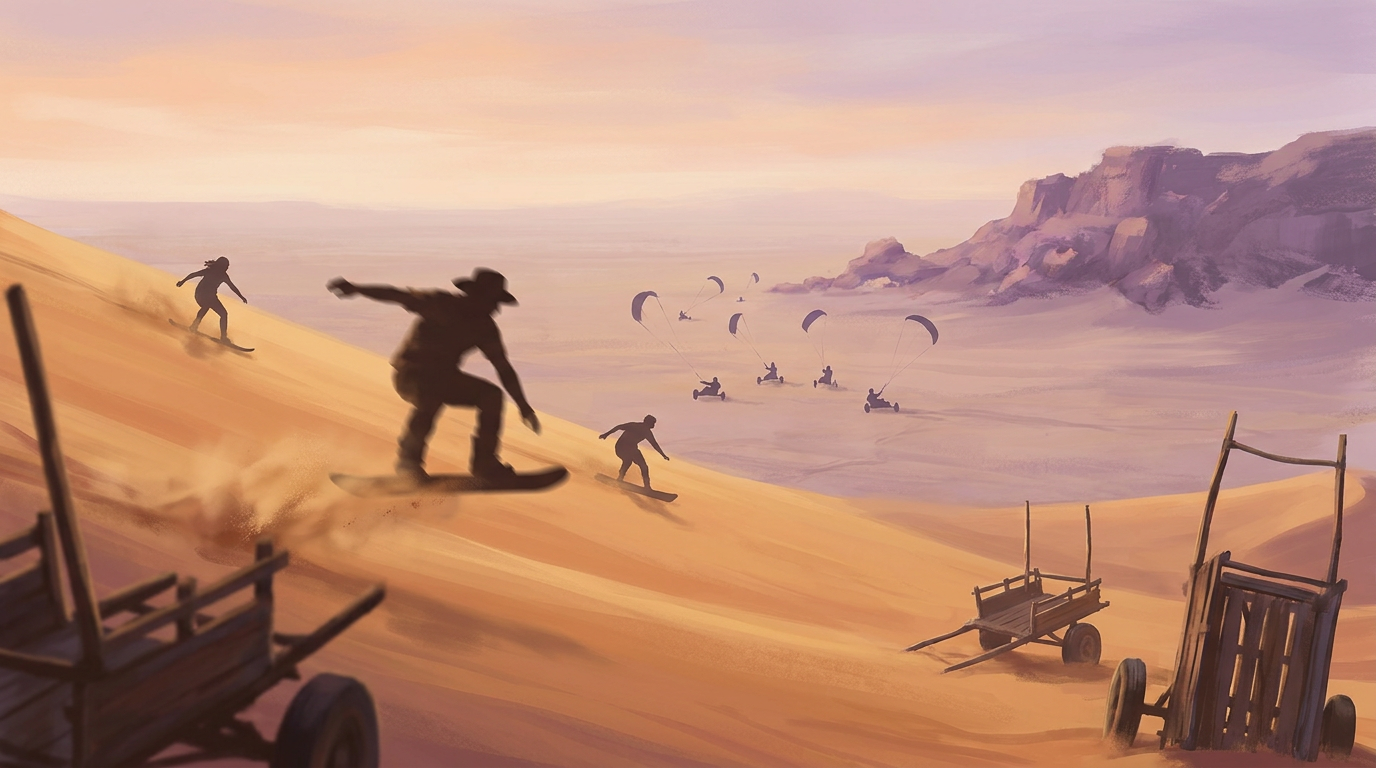
Western Sahara offers a travel experience unlike any other, defined by the stark, beautiful contrast of the Sahara Desert meeting the Atlantic Ocean. This is a destination for the adventurous and the curious, a place of vast open spaces, unique natural phenomena, and a resilient culture. While travel here requires careful planning, the rewards are unforgettable landscapes and a sense of profound solitude. This guide focuses on the key activities and experiences available to travelers, primarily centered around the coastal hubs of Dakhla and Laayoune.
Desert and Coastal Adventures
The Dakhla peninsula is a world-class destination for kitesurfing and windsurfing. Its unique geography creates a massive, flat-water lagoon with consistent, strong winds for much of the year, making it ideal for both beginners and professionals. Numerous camps and schools are set up along the lagoon, offering lessons, equipment rental, and accommodation. Even if you don't participate, watching the colorful kites glide across the water against the desert backdrop is a spectacular sight.
No trip to Western Sahara is complete without venturing into the desert itself. The most practical way to do this is on a 4x4 excursion with a knowledgeable local guide. These tours can range from a few hours to multi-day expeditions. You'll traverse vast plains, rocky plateaus, and seas of sand dunes, witnessing a landscape that feels otherworldly. Guides can often point out prehistoric rock art, meteorites, or lead you to surprising oases, offering a glimpse into the Sahara's hidden life.
For a more traditional and slower-paced desert experience, consider a camel trek. While long-distance camel caravans are a thing of the past, short rides offer a peaceful and immersive way to appreciate the silence and scale of the dunes. Sunset or sunrise treks are particularly popular, providing incredible photo opportunities as the changing light transforms the colors of the sand. Some operators offer overnight packages where you can sleep in a traditional tent under a canopy of brilliant stars.
The Atlantic coastline is as much a draw as the desert. A must-see near Dakhla is the 'Dune Blanche' (White Dune), a stunning crescent of white sand situated in the middle of the lagoon. At high tide, it becomes an island, offering a surreal swimming and exploration spot. The coastal road itself provides dramatic views of cliffs plunging into the ocean and long, empty beaches battered by Atlantic waves. Exploring these remote shores offers a powerful sense of isolation and natural beauty.
Dakhla Bay is a designated national park and a critical site for migratory birds. This makes it a paradise for birdwatchers, especially during the winter months. The bay is famous for its large population of flamingos, but you can also spot a wide variety of waders, gulls, and terns. You can explore the tidal flats on foot or arrange a boat tour for a closer look at the avian life thriving in this rich ecosystem.
Cultural Experiences and Local Life
To get a feel for daily life, spend some time exploring the local markets, or souks, in Laayoune and Dakhla. While not as large or tourist-focused as those in other parts of North Africa, they are authentic hubs of community and commerce. Here you can observe locals shopping for everything from fresh produce and spices to clothing and household goods. It's an opportunity to see local crafts, such as leatherwork and textiles, and experience the city's rhythm.
Saharawi culture is deeply rooted in hospitality, and its most famous expression is the tea ceremony. More than just a drink, the preparation and sharing of three successive glasses of sweet mint tea is a complex social ritual that can last for hours. It is a cornerstone of social life, used to welcome guests, conduct business, and catch up with friends and family. If you are invited to partake, it is a genuine sign of welcome and an honor to accept.
The rich fishing grounds of the Atlantic are the lifeblood of the coastal economy. The port in Dakhla is a bustling place, especially when the fishing boats return with their daily catch. This abundance translates directly to the local cuisine. Dining on incredibly fresh, simply prepared fish and seafood is a highlight for many visitors. Local restaurants offer everything from grilled fish to calamari and oysters, often at very reasonable prices.
Top Recommended Experiences
Practical Information for Your Trip
Navigating vast desert landscapes or sharing photos from the coast requires reliable data. While local SIMs are an option, setting up a SimMaxi eSIM before you arrive ensures you have connectivity from the moment you land, which is especially useful for coordinating with guides or accessing maps in areas with limited Wi-Fi. It removes the hassle of finding a local store and registering a physical SIM card.
Getting around Western Sahara independently is challenging. For any travel outside the main towns, a 4x4 vehicle is essential. The most common and highly recommended approach for travelers is to hire a vehicle with an experienced local driver and guide. They handle the navigation, are knowledgeable about the terrain and conditions, and can act as interpreters. For travel between major towns like Laayoune and Dakhla, shared 'grand taxis' are a more economical option.
Stay connected when you land
With a SimMaxi eSIM, you can get online without hunting for a physical SIM card.