Japan Food Guide: From Kaiseki Feasts to Street Food Faves
Explore the rich tapestry of Japanese cuisine, from formal dining etiquette to bustling market stalls.

Japan's culinary landscape is a journey in itself, a sophisticated world where tradition, seasonality, and artistry converge on a plate. While ramen and sushi are global superstars, they represent just a fraction of the nation's gastronomic depth. True Japanese cuisine, or 'washoku', is a UNESCO Intangible Cultural Heritage that balances flavor, aesthetics, and nutrition, offering a unique experience in every region and season you visit.
The Art of the Meal: Signature Dishes Beyond Sushi
To truly understand Japanese food, you must look beyond the familiar. One of the most refined dining experiences is 'kaiseki', a traditional multi-course dinner that showcases the pinnacle of culinary skill. Each dish is a work of art, meticulously prepared with seasonal ingredients to create a harmonious progression of tastes, textures, and temperatures. It's an elegant expression of 'shun', the concept of eating food at its peak flavor, and is often served in specialty restaurants or traditional inns known as 'ryokan'.
Beyond the formality of kaiseki, Japan is home to countless beloved dishes that define its regional identities. In Nagoya, you'll find 'hitsumabushi', grilled eel served over rice with a variety of condiments and broth. Venture to Fukuoka, and you'll be greeted by the rich, pork-bone broth of 'Hakata ramen'. These aren't just meals; they are deep-rooted cultural symbols, perfected over generations and proudly served in specialty shops where masters dedicate their lives to a single craft.
- Hokkaido: Known for its cold waters, this northern island offers unparalleled fresh seafood, including sweet sea urchin ('uni'), king crab ('kani'), and scallops ('hotate').
- Osaka: Often called 'Japan's Kitchen', this is the place for 'okonomiyaki' (a savory, customizable pancake) and 'takoyaki' (grilled octopus balls).
- Kyoto: The former imperial capital is famous for its elegant 'Kyo-ryori' (Kyoto cuisine), including delicate tofu dishes like 'yudofu'.
- Hiroshima: Home to its own style of okonomiyaki, which is layered with noodles and a fried egg, creating a distinct and hearty meal.
Navigating the Streets: A Guide to Yatai and Depachika
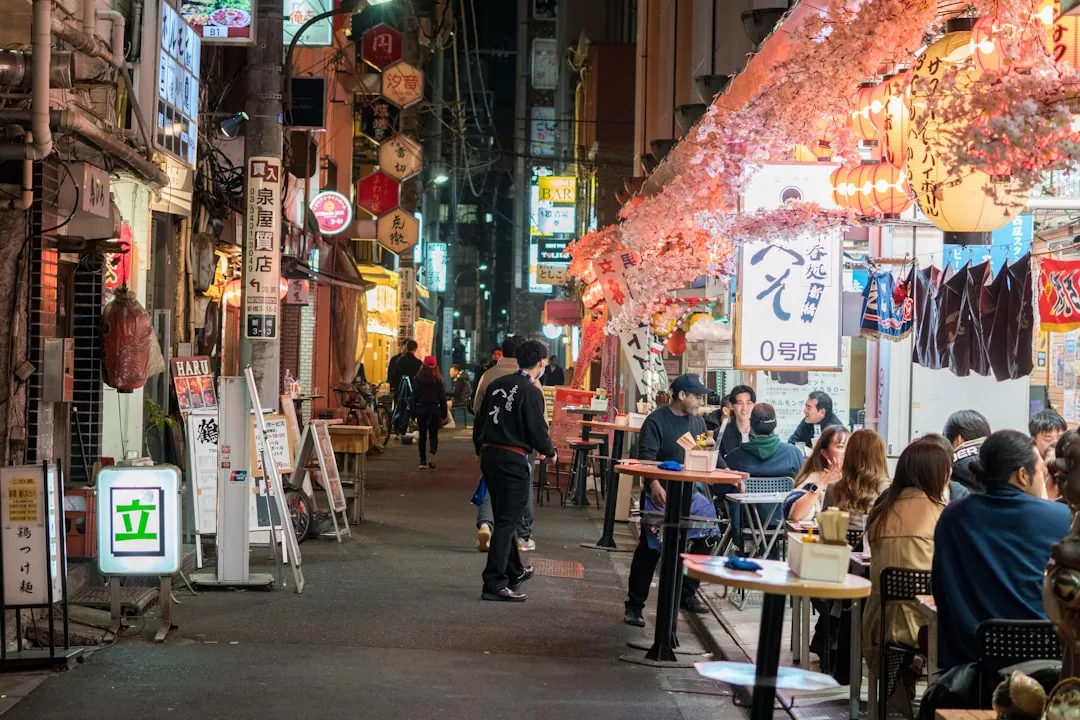
The soul of Japanese casual dining lives in its vibrant street food culture. In cities like Fukuoka, you'll find 'yatai', open-air food stalls that line the streets in the evening, creating a lively atmosphere where locals and travelers gather for ramen, 'yakitori' (grilled skewers), and conversation. In Tokyo, areas like Shinjuku's Omoide Yokocho (Memory Lane) offer a nostalgic glimpse into post-war Japan, with tiny eateries packed into narrow alleys serving up classic comfort food.
For a different kind of food discovery, head underground to a 'depachika'—the sprawling, immaculate food hall located in the basement of a department store. These are not your average food courts. Depachika are dazzling showcases of high-quality prepared foods, from perfectly packed bento boxes and gourmet salads to exquisite pastries and traditional sweets. They are an excellent place to assemble a picnic for a day of sightseeing or to grab a delicious, convenient meal.

- Takoyaki: A quintessential street food from Osaka, these are piping hot balls of batter filled with a piece of octopus, pickled ginger, and green onion.
- Taiyaki: A fish-shaped cake, typically filled with sweet red bean paste ('anko'), custard, or chocolate.
- Ikayaki: A whole grilled squid on a stick, seasoned with soy sauce. A popular snack at festivals ('matsuri').
- Harajuku Crepes: Thin, sweet crepes rolled into a cone and filled with an abundance of whipped cream, fruit, and toppings.
Dining Etiquette: The Unspoken Rules

Dining in Japan is steeped in customs that reflect the culture's respect for food and community. Before eating, it is customary to say 'Itadakimasu', which expresses gratitude for the meal. After you've finished, 'Gochisousama deshita' is the polite way to thank your host or the chef. These small phrases are deeply appreciated and show your respect for the dining experience.
Chopstick etiquette is particularly important. Never stick your chopsticks upright in a bowl of rice, as this resembles a funeral rite. You should also avoid passing food directly from your chopsticks to another person's. Instead, place the item on a small plate for them to pick up. And yes, it is perfectly acceptable—even encouraged—to slurp your noodles. It is seen as a sign of enjoyment and also helps cool the hot noodles as you eat them.
- No Tipping: Tipping is not part of the culture and can be considered impolite. Excellent service is standard.
- Pouring Drinks: When sharing a drink like sake or beer, it is customary to pour for others but not for yourself. Someone will return the favor.
- Using the Tray: When paying your bill at the counter, place your cash or card in the small tray provided instead of handing it directly to the cashier.
- Oshibori: The small, damp towel provided at the beginning of a meal is for cleaning your hands, not your face or the table.
Ichi-go ichi-e (一期一会). One time, one meeting. A reminder to treasure every encounter, as it will never happen again.
— Japanese Proverb
Stay Connected While You Eat Your Way Through Japan
From looking up restaurant reviews in Kyoto's Gion district to navigating Osaka's bustling food markets with online maps, you'll need reliable data. A Simmaxi eSIM for Japan lets you get online the moment you land. Forget expensive roaming fees and hunting for physical SIM cards—just scan a QR code before you depart, and you're connected.
View Japonya eSIM plans →