Japan Travel Guide: A Journey Through Tradition and Tomorrow
Your essential guide to navigating the serene temples, vibrant cities, and stunning landscapes of Japan.
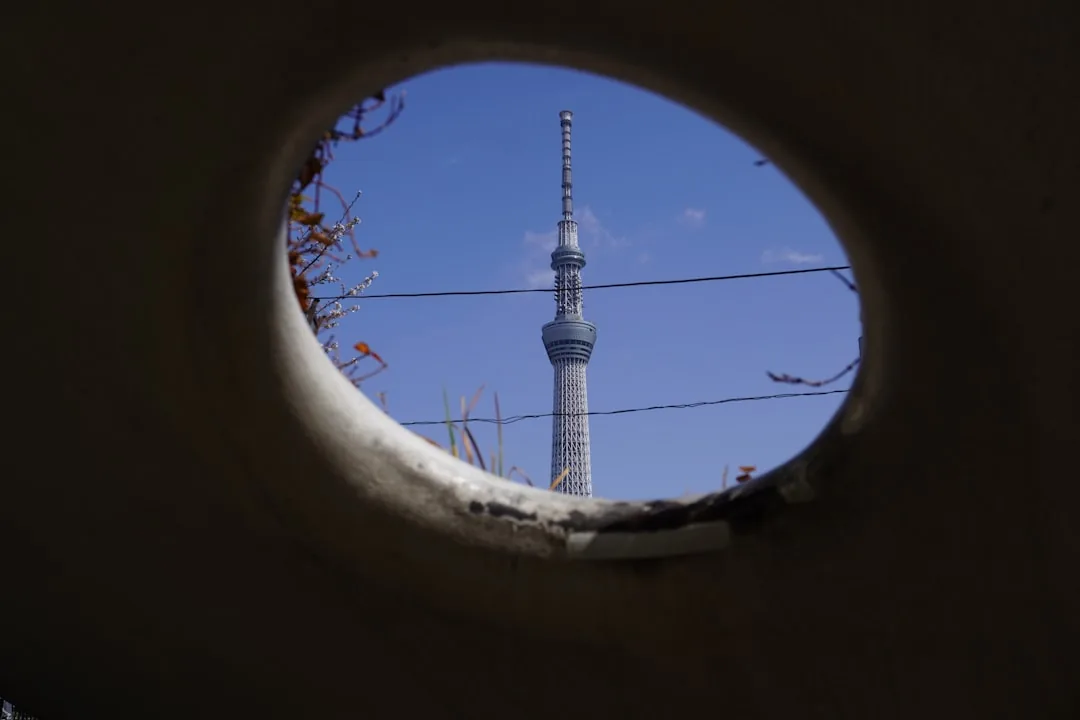

Arriving in Japan is an experience of profound and pleasant contrast. It’s a place where ancient wooden temples stand peacefully in the shadow of gleaming skyscrapers, where the frenetic energy of a city crossing gives way to the silent reverence of a neighborhood shrine. This seamless blend of the hyper-modern and the deeply traditional is not just a visual spectacle; it's the very fabric of daily life, inviting you to explore a culture that is both exhilaratingly futuristic and beautifully preserved.
First Impressions: A Land of Orderly Wonder
Your first encounter with Japan is often defined by its incredible efficiency and quiet politeness. From the punctual Shinkansen (bullet train) that glides across the country to the immaculately clean city streets, there is a palpable sense of collective respect and order. This isn't a sterile or rigid environment; rather, it’s a foundation that allows for moments of unexpected beauty and chaos to flourish. You'll find it in the boisterous welcome of an izakaya (pub), the sensory overload of a pachinko parlor, and the vibrant street fashion of Tokyo's Harajuku district.
This duality is what makes Japan so compelling. One day you could be learning the art of the tea ceremony from a master in Kyoto, and the next you might be singing karaoke in a futuristic pod in Shibuya. The country constantly challenges your expectations, offering a journey that engages all your senses. It's a destination that rewards curiosity, encouraging you to look closer, listen carefully, and taste everything.
- Savoring a multi-course kaiseki dinner in Kyoto.
- Navigating the vibrant, neon-lit alleyways of Shinjuku's Golden Gai.
- Experiencing a traditional onsen (hot spring) in Hakone.
- Witnessing the solemn history at the Hiroshima Peace Memorial Park.
When to Visit: A Year of Contrasts
Choosing when to visit Japan can shape your entire experience, as each season paints the country in a different light. Spring (March to May) is famous for the blooming of cherry blossoms (sakura), a breathtaking spectacle that draws visitors from around the world. The weather is mild and pleasant, but be prepared for peak-season crowds. Conversely, Autumn (September to November) offers a fiery display of fall foliage (koyo) and comfortably cool temperatures, making it an ideal time for hiking and exploring the countryside.
Summer (June to August) is characterized by heat, humidity, and a lively calendar of festivals (matsuri). It's also the official season for climbing Mount Fuji. Winter (December to February) brings a different kind of magic. While cold, the days are often clear and crisp in cities like Tokyo and Kyoto, with fewer tourists. In the north, regions like Hokkaido transform into a winter wonderland with some of the world's best powder snow for skiing and snowboarding.
- Spring (Mar-May): Peak bloom for sakura, pleasant temperatures. Expect crowds and higher demand for accommodation.
- Summer (Jun-Aug): Hot and humid with a rainy season (tsuyu) in June. Prime time for vibrant festivals.
- Autumn (Sep-Nov): Comfortable weather, stunning fall colors. A fantastic time for hiking and outdoor activities.
- Winter (Dec-Feb): Cold and dry, with heavy snow in the north perfect for skiing. Fewer tourists in major cities.
Essential Regions to Explore

While Tokyo and Kyoto are foundational to any first trip, Japan's diverse regions offer vastly different experiences. The main island of Honshu is the country's nerve center. Here, Tokyo delivers boundless energy, from the fashion-forward streets of Harajuku to the traditional atmosphere of Asakusa. A short train ride away, Kyoto serves as the cultural heart, home to the geisha district of Gion, the iconic Fushimi Inari Shrine, and the tranquil Arashiyama Bamboo Grove. For a more laid-back urban vibe and an incredible food scene, Osaka is unmissable—be sure to try the local takoyaki and okonomiyaki.
Venture further afield to discover more. Hokkaido, the northernmost island, is a haven for nature lovers, with vast national parks, pristine lakes, and world-class ski resorts like Niseko. To the south, the island of Kyushu offers a dramatic landscape of active volcanoes, bubbling hot springs in Beppu, and the historically rich city of Nagasaki. For a complete change of pace, the subtropical islands of Okinawa provide stunning beaches, unique Ryukyuan culture, and some of the world's best diving spots.
In Japan, every season offers a completely different country to discover.
— Frequent Traveler
- Kanto: The bustling metropolitan area dominated by Tokyo and the scenic mountain resort of Hakone.
- Kansai: The cultural and historical hub, home to Kyoto, Osaka, Nara, and Kobe.
- Hokkaido: The northern frontier, known for its wild nature, exceptional seafood, and winter sports.
- Kyushu: The southern island, famous for its active volcanoes, onsen towns, and unique culinary traditions.

Stay Connected Seamlessly with a Japan eSIM
Navigating Japan's extensive train systems, translating menus, and finding your way to that tucked-away ramen shop is much easier with reliable data. A Simmaxi eSIM for Japan lets you get online the moment you land, avoiding the hassle of hunting for a physical SIM card or relying on spotty public Wi-Fi.
Activate your plan before you even leave home and enjoy high-speed data across the country. It’s a simple, affordable way to stay connected, share your experiences, and make your travel smoother from Sapporo to Fukuoka. You can use navigation apps, book tickets on the go, and look up train times without worry.
Final Thoughts & Practical Advice
A trip to Japan is as much about observing and adapting to its culture as it is about sightseeing. Politeness is paramount, and learning a few basic phrases like 'Arigato gozaimasu' (Thank you) and 'Sumimasen' (Excuse me/Sorry) will be greatly appreciated. The country's public transport is world-class but can be complex; apps like Google Maps or Jorudan are invaluable for navigating the maze of train and subway lines.
Embrace the small cultural nuances, from the etiquette of using an onsen to the quiet contemplation in a temple garden. Be prepared for lots of walking, and allow yourself to get wonderfully lost in the side streets of its cities. As with any international travel, always check the latest official entry requirements from government sources before finalizing your plans.
- Learn basic etiquette, such as bowing and the proper way to use chopsticks.
- Purchase a Suica or Pasmo card for easy payment on local transport and at convenience stores.
- Pack comfortable walking shoes—you'll be doing a lot of it.
- Don't be afraid to wander; some of the best discoveries happen in nameless alleyways.