A Traveler's Guide to Visiting El Salvador
Entry basics, the Ruta de las Flores, Pacific surf towns, Joya de Cerén and the pupusa, checked against official sources in October 2026.
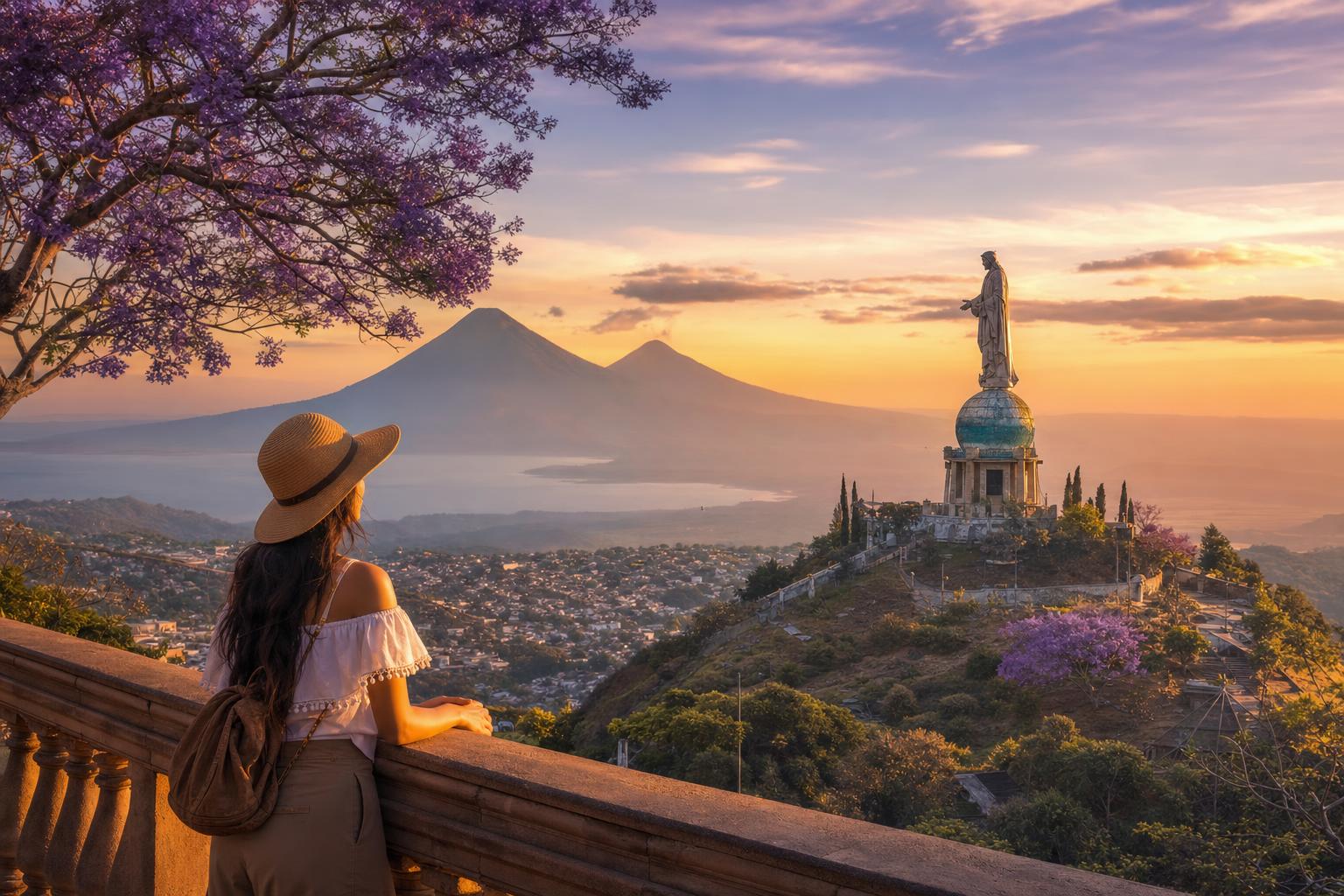
El Salvador is a small Central American country of volcanic highlands, a Pacific coast known for surf, and a food culture built around the pupusa. This guide covers entry basics, money and getting around, then the places and flavours that make a trip worthwhile. Facts are checked against official sources as of October 2026.
Entry rules and money
Entry rules depend on your passport, so check the official source for your nationality. The FCDO says that British citizens can visit El Salvador for tourism or business for up to 180 days without a visa, and that their passport must have an expiry date at least six months after the day they arrive. Canada says a regular Canadian passport must be valid at the time of entry, in good condition and have at least one blank page. If you hold a different passport, contact the Salvadoran embassy or consulate that serves your country, or the General Directorate of Migration and Immigration, before you book.
Other points from the FCDO's entry guidance for British travellers: cash or travellers cheques worth 10,000 US dollars or more must be declared. If you plan to cross between El Salvador, Guatemala and Nicaragua, the FCDO explains that a 90-day visa-free period starts when you enter any of these countries and does not restart at each border.
On money, the Government of Canada says the US dollar is the official currency, so plan to pay in US dollars. The FCDO adds that smaller denominations are more practical, because many smaller restaurants, bars and shops do not accept 50 and 100 dollar notes, and that regular ATMs are widely available, particularly in San Salvador and La Libertad. In an emergency, the FCDO lists 911 for the national police or fire brigade.
Where to go
Joya de Cerén is El Salvador's only property on the UNESCO World Heritage List. UNESCO describes it as a pre-Hispanic farming community that, like Pompeii and Herculaneum, was buried under an eruption of the Laguna Caldera volcano around AD 600. The exceptional condition of the remains gives an insight into the daily lives of the farming populations who lived there.
The Ruta de las Flores is a highland route through coffee country. The Ministry of Tourism lists Ahuachapán, Apaneca, Concepción de Ataco, Juayúa, Salcoatitán and Nahuizalco as its municipalities, and names the Laguna Verde de Apaneca, the Chorros de la Calera in Juayúa and the Mirador de la Cruz in Ataco among its best-known attractions. The national tourism board gives Apaneca's elevation as 1,477 metres and Salcoatitán's as 1,045 metres, and says a weekend food festival sets up in Salcoatitán's central square. The Ministry also records a Ruta de las Flores national day on the first Sunday of October.
The Pacific coast is where the country's surf reputation lives. The tourism board's Surf City pages list El Tunco, El Zonte, El Sunzal and Punta Roca on the western coast of La Libertad, with Punta Mango and El Cuco further east. It describes El Tunco as El Salvador's most iconic surf destination and El Sunzal as a long right point break. Local surf schools and operators can tell you about conditions at each break.
Lake Coatepeque, in the Santa Ana department, is a volcanic lake used for kayaking, fishing and boat tours. The tourism board notes that its water shifts from blue to turquoise-green in natural cycles monitored by the Ministry of the Environment, a colourful sight in its own right. Keen hikers can explore volcanoes such as Izalco, Santa Ana (Ilamatepec) or San Miguel (Chaparrastique), and an experienced guide from a reputable company can help you plan the outing.
Getting around
For shorter trips, the FCDO suggests radio-dispatched, pre-booked or hotel taxis. Pre-booking through your accommodation is a simple way to arrange airport transfers and day trips.
If you plan to drive, the FCDO says UK photocard licences are valid for the first 90 days after arrival, that El Salvador does not accept the international driving permit, and that car insurance is essential. Rental companies often set their own age and experience requirements, so confirm them when you book.
When to go and what to eat
According to the Ministry of the Environment's climate page, October is when the transition from the rainy to the dry season begins, and the dry season starts in the first days of November across most of the country, up to about 15 days later in the east. Temperatures depend on altitude: on the coastal plains the annual average falls from about 27 to 22 degrees Celsius with height, and the country's highest point, El Pital in Chalatenango, reaches 2,700 metres. The tourism board describes Apaneca, in the highlands, as one of the coolest destinations in the country.
No visit is complete without a pupusa. A 2005 decree of the Legislative Assembly made it the national dish of El Salvador and set the second Sunday of November, which falls on 8 November in 2026, as the Día Nacional de la Pupusa. The tourism board lists beans, cheese and chicharrón among the traditional fillings, and names Olocuilta, a transit point between San Salvador and the international airport, as a well-known place to try rice-flour pupusas. Pupuserías are found in towns across the country, from market stalls to full restaurants.
El Salvador rewards travellers who plan ahead. Leave room in the schedule for the highlands, the coast and a few pupusas.
Stay connected when you land
With a SimMaxi eSIM, you can get online without hunting for a physical SIM card.
El Salvador Prepaid eSIM Data Plans
| Plan | Data Allowance | Validity | Price (USD) |
|---|---|---|---|
| El Salvador 1GB 7 Days | 1 GB | 7 Gun | $3.60 USD |
| El Salvador 3GB 30Days | 3 GB | 30 Gun | $10.20 USD |
| El Salvador 5GB 30 Days | 5 GB | 30 Gun | $15.90 USD |
| El Salvador 10GB 30 Days | 10 GB | 30 Gun | $27.10 USD |
| El Salvador 20GB 30 Days | 20 GB | 30 Gun | $44.20 USD |
| El Salvador 50GB 30 Days | 50 GB | 30 Gun | $97.60 USD |