Your Practical Travel Guide for a Seamless Trip to Turkey
From Istanbul's vibrant streets to Cappadocia's landscapes, here’s how to navigate your trip with confidence.
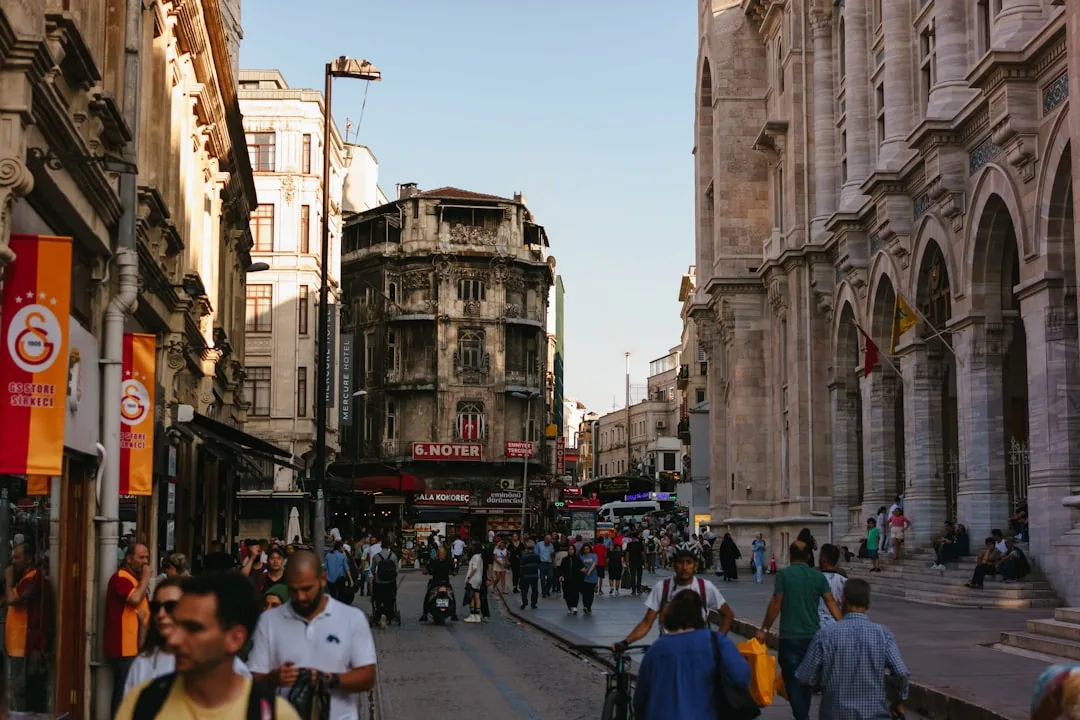

Turkey is a destination that engages all the senses, a place where continents, cultures, and histories collide. Planning a trip here can feel just as vast as its landscapes. This guide cuts through the noise, offering clear, practical advice to help you manage the essentials so you can focus on the incredible experiences ahead.
Visas and Money: The Practical First Steps
Before you book your flights, the first step is understanding your entry requirements. Many nationalities can easily obtain an e-Visa online through the official Republic of Türkiye Electronic Visa Application System. The process is typically straightforward, but it's crucial to apply well in advance of your travel dates. As regulations can change, always check the latest entry requirements for your specific nationality directly on the official government portal to ensure you have the most current information.
The local currency is the Turkish Lira (TRY). While major credit cards are widely accepted in cities, hotels, and larger restaurants, cash is essential for smaller purchases, local markets (bazaars), and tipping. Upon arrival, you'll find it's often better to withdraw Lira from an official bank ATM or use a 'Döviz' (exchange office) in the city center rather than exchanging money at the airport, where rates are less favorable. We recommend carrying a mix of cards and cash to be prepared for any situation.
- Inform your bank of your travel dates to prevent your cards from being flagged for fraud.
- Always carry some small Lira notes and coins for public restrooms, tips, and street vendors.
- When paying by card, you may be offered to pay in your home currency. Decline this and choose to pay in TRY to avoid poor exchange rates.
Mastering Transport: From City Trams to Coastal Roads
Navigating Turkey's cities and regions is more accessible than you might think. In Istanbul, the public transport network is excellent. Invest in an 'Istanbulkart' upon arrival; this rechargeable card gives you access to the metro, trams, buses, and iconic Bosphorus ferries. For direct trips, ride-sharing apps are available, and official yellow taxis are plentiful—just ensure the driver uses the meter ('taksimetre').
For longer distances, Turkey offers efficient options. An extensive network of domestic flights connects major hubs like Istanbul with destinations such as Cappadocia (Nevşehir or Kayseri airports) and the Mediterranean coast (Antalya or Dalaman airports). Alternatively, the country's long-distance bus system is modern, comfortable, and surprisingly affordable, making it a great choice for connecting cities. For ultimate freedom along the Aegean or Mediterranean coasts, consider renting a car to explore at your own pace.
- Domestic Flights: The quickest method for cross-country travel, often with competitive pricing if booked in advance.
- Intercity Buses: A reliable and budget-friendly option with amenities like Wi-Fi and refreshments on board.
- City Transit Cards: A must-have in Istanbul, Izmir, or Ankara for seamless and affordable urban travel.

Staying Safe and Respectful on Your Journey
Turkey is a welcoming country with a strong culture of hospitality, and travelers generally feel very safe. As in any major destination, it’s wise to be aware of your surroundings, especially in crowded areas like the Grand Bazaar or on Istiklal Avenue in Istanbul. Keep your valuables secure and be mindful of common distractions or unsolicited offers from strangers. Trust your instincts, and you'll find that Turkish people are incredibly helpful and friendly.
Respect for local customs will enrich your experience. When visiting mosques, dress modestly by covering your shoulders and knees; women should also bring a scarf to cover their hair. Most major mosques, like the Blue Mosque, provide wraps for visitors. Learning a few basic Turkish phrases, such as 'Merhaba' (hello) and 'Teşekkür ederim' (thank you), is greatly appreciated and will open doors to more genuine interactions.
To have a cup of coffee with someone is to have a 40-year memory.
— Turkish Proverb

- Accepting a glass of 'çay' (tea) is a gesture of hospitality and a wonderful part of the culture.
- When haggling in markets, maintain a friendly and respectful demeanor. It’s a customary part of the shopping experience.
- Always ask for permission before taking close-up photos of people.
Packing Essentials: Power Plugs and What to Wear
Let's talk logistics. Turkey uses the standard European Type F power socket with two round pins. The voltage is 220V. If you're traveling from the Americas, the UK, or other regions with different plug types, you will need a universal travel adapter. A portable power bank is also a lifesaver for long days of exploring ancient sites like Ephesus or navigating with your phone's GPS.
Your packing list should be guided by the season and regions you plan to visit. Layers are always a smart strategy. For a summer trip (June-August) to the coast, pack lightweight, breathable fabrics, swimwear, and sun protection. Even in summer, a light jacket or sweater is useful for cooler evenings. For shoulder seasons like spring (April-May) and autumn (September-October), especially in areas like Cappadocia, you'll need warmer layers. No matter the season, comfortable walking shoes are non-negotiable for cobblestone streets and sprawling ruins.
- A universal power adapter (for Type F sockets).
- Comfortable walking shoes suitable for uneven surfaces.
- A lightweight scarf for sun protection and for use as a head covering at religious sites.
- A reusable water bottle to stay hydrated and minimize plastic waste.
Stay Connected Instantly with a Turkey eSIM
Don't waste your first hours in Turkey searching for a local SIM card shop or worrying about high roaming fees. An eSIM from Simmaxi allows you to get online the moment you land. Simply purchase your plan, scan a QR code before you leave home, and activate your data to navigate with maps, book a ride, or share your first 'simit' on the streets of Istanbul without any hassle.
View Turkiye eSIM plans →